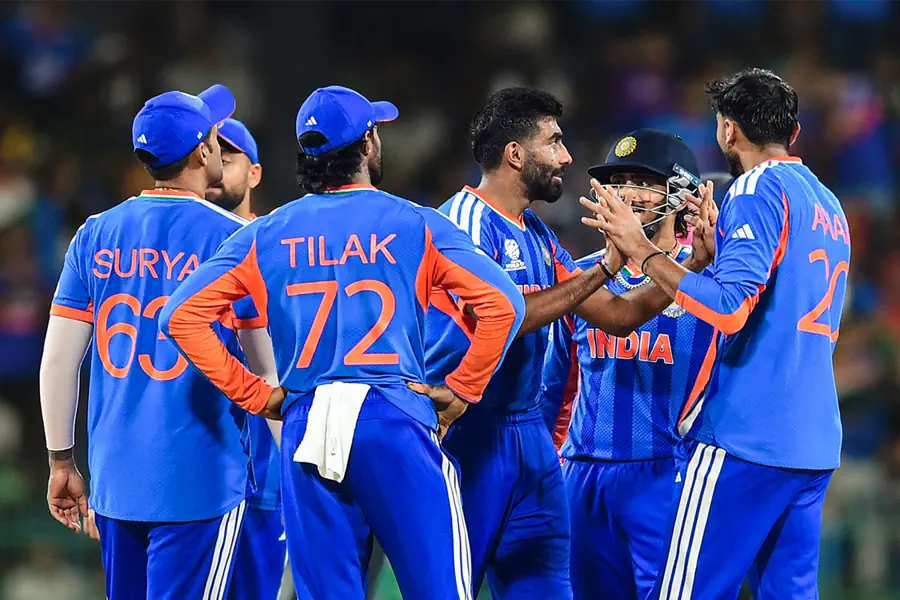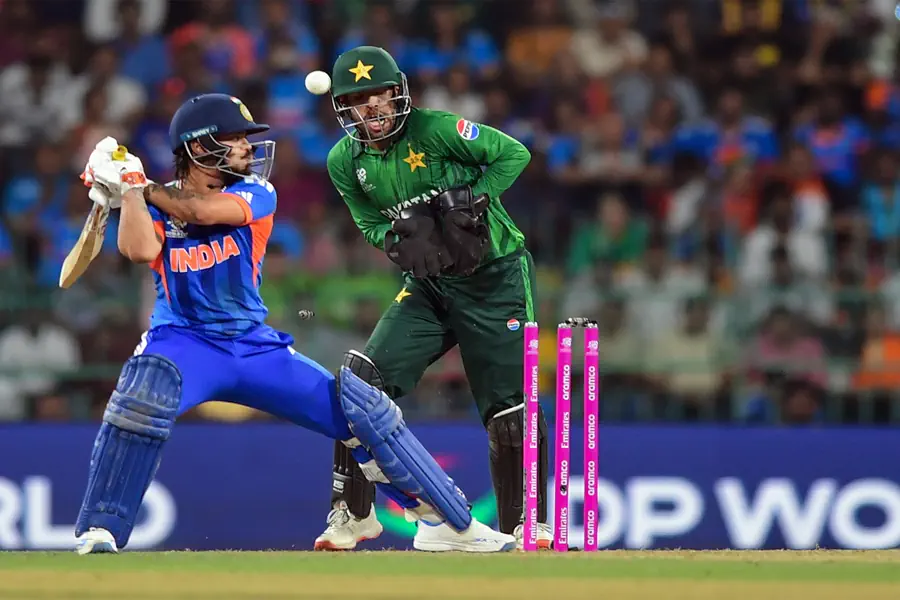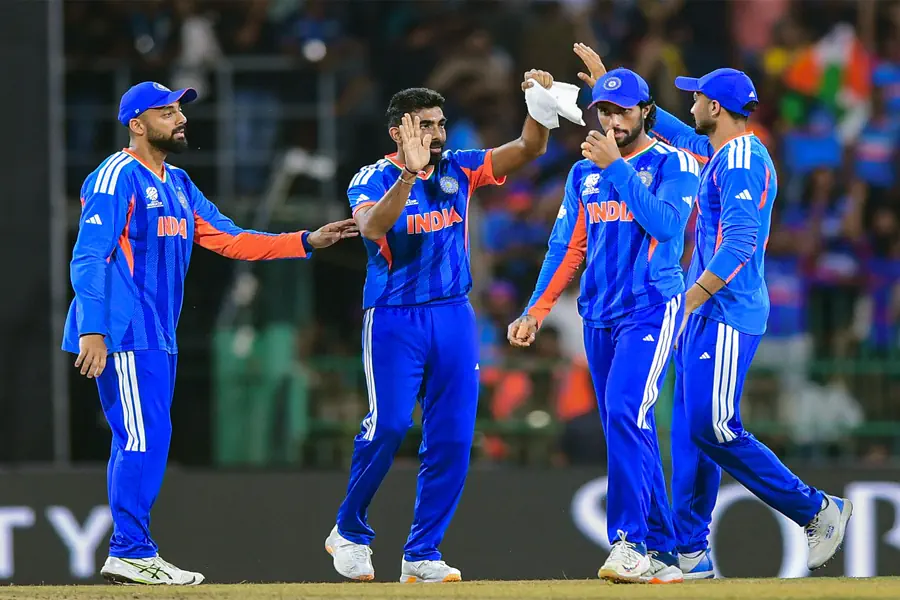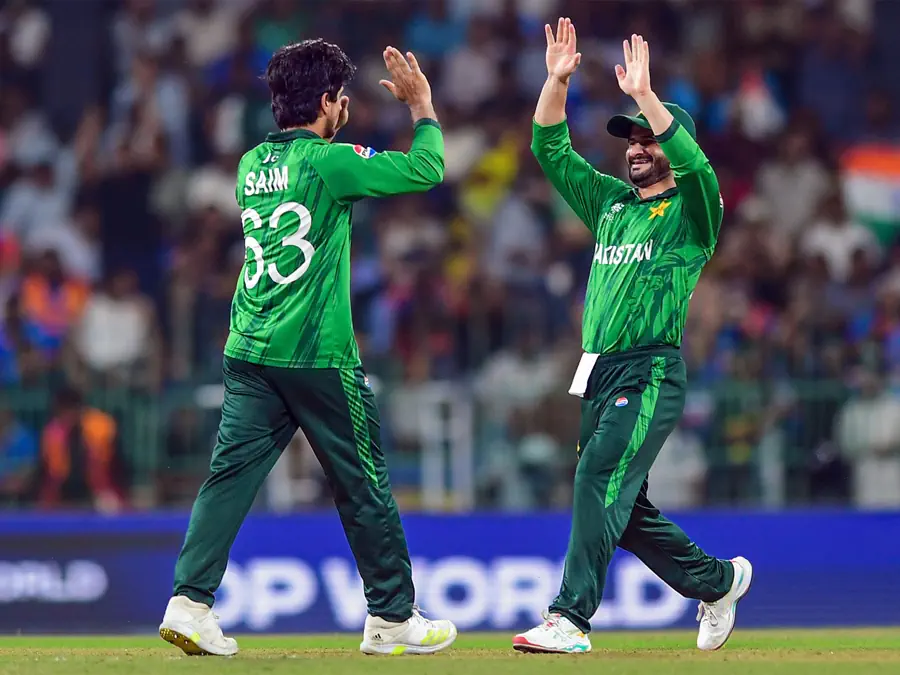
January has quietly become one of the most strategically significant months in international cricket. Positioned between major global tournaments and the peak of domestic league seasons, January bilateral ODI and T20I series operate in a unique tactical space—where competitive pressure meets controlled experimentation. Teams use this window to test combinations, refine roles, and adapt to varying conditions that often shape the direction of the entire cricketing year ahead. While these series may appear routine on the surface, the decisions made here influence rankings, selections, and long-term strategies across formats. Understanding how teams approach January ODIs and T20Is—through data, matchups, and format-specific tactics—reveals why this overlooked phase has become a quiet goldmine for analysts, fans, and teams aiming to build sustained success.
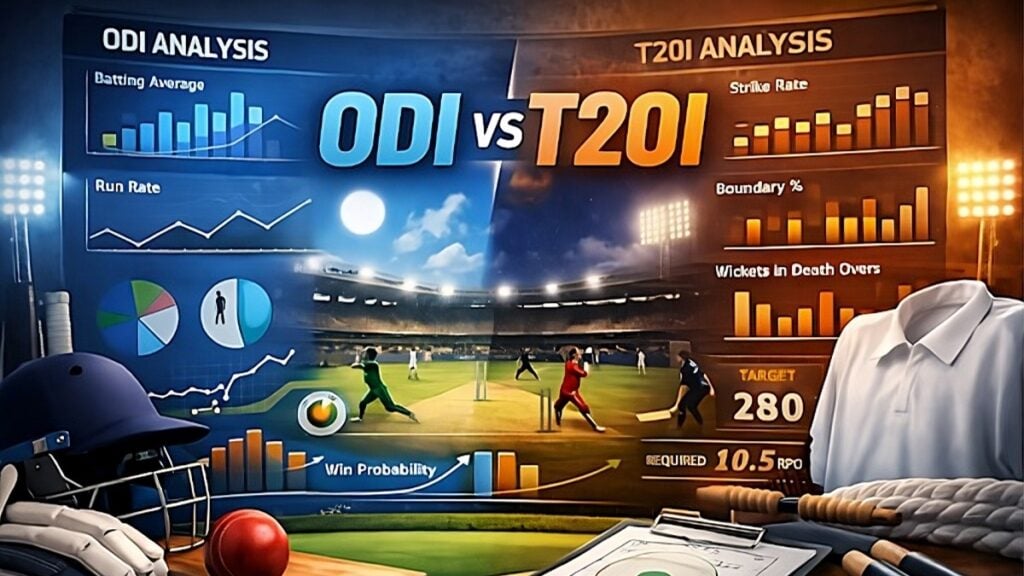
Why January Series Are a Tactical Goldmine
January is, somewhat unnoticed, becoming one of the most intriguing months in odi world cup cricket and this is mainly because it falls right in between two major global events and the domestic leagues’ calendars. In that way, January’s bilateral series give teams a mix of things that come first as being very competitive and later as giving the teams the experimental freedom. Besides the fact that they are either ODIs or T20Is, these matches are usually very important in terms of the impact they have on the upcoming cricket year.
The platform planbet.bet has evolved into a go-to tool for analysts and cricket fans who want to delve deeper into the impact of tactics, statistics, and conditions on the development of modern international series- notably during the busy January window. This month has been a hush-hush one, however, one of the most fascinating cricket periods in the calendar where short ODI and T20I series allow teams a great mix of competitive intensity and tactical experimentation.
Fundamental Differences Between ODI and T20I Cricket
The difference that jumps out most right away is the length of the game. ODIs give plenty of room for the players to spread their energy over the 50 overs, whereas in T20Is everything is squeezed into a high-stress, 120-ball dash, which demands instant decisions.
People’s appetite for risk is very different. In ODIs, the batsmen are trying to find the right balance between go for broke and saving, and they pick a time for the aggression very carefully. In T20s, the scoring pattern heavily favors hitting fours and sixes rather than building a steady, long innings, so basically, the players get into a controlled whirlwind.
Key Statistical Metrics That Matter in January Conditions
Besides, weather and pitch wear have an impact. Spin bowlers can get a lot more help in afternoon ODIs on the surfaces that are already worn, whereas dew-heavy night matches will definitely affect T20I results. You simply can’t get the correct picture by ignoring these variables, even if you’re analyzing elite performers such as a top 10 ICC ODI ranking batsman.
- Batting strike rate vs batting average (considering the format)
- Bowling economy vs wicket-taking frequency
- Boundary percentage in powerplay overs
- Dot-ball percentage during middle overs
- Performance impact under dew and worn pitches
Powerplay Analysis: Where Early Advantages Are Won or Lost
ODI Powerplay Trends
During the powerplay in ODIs, the theme is more towards controlled accumulation than sudden explosion. A team sets a target platform which would generally be about 50-60 runs while they’ve only lost a couple of wickets.
There is a safe scoring option through the field restrictions but the leading decision-maker is long-term planning. It becomes especially tough if one loses early wickets and that would warrant a recalibrating of the strategy, e.g., when facing a new-ball attack that is very disciplined.
T20I Powerplay Trends
In T20I, the powerplay is a totally different story. There is absolutely no room for a lack of aggression, and a boundary percentage is an extremely important factor.
It is through matchups that decisions are made thus, the right-handers trying to take advantage of the left-arm pace, or the power hitters countering the swing. Frequently, it is the early momentum that decides the result of the game, most notably in the January series when the difference between the teams is very little.
Middle-Overs Control: The Tactical Core of ODI Success
The middle overs, or overs 11 to 40, set the tempo for ODI matches. On slower pitches in January that deteriorate with time, spin bowlers and part-time bowlers become crucial.
Dot-ball pressure turns into a weapon. A team that is able to sustain a low run rate without giving up too many wickets usually compels their opponents to make mistakes at a later stage.
Batting partnerships and strike rotation are often overlooked, but they do have a decisive impact. Some of the great performances like bangladesh highest score in odi innings have not been made up of a string of boundaries, but rather of careful accumulation and very few mistakes during this phase.
Death Overs: Data-Driven Advantage of the Last Phase
Death overs are the border that good teams and world-class ones stand on. The finishing efficiency which includes metrics such as runs per ball, boundary conversion, and dismissal avoidance, has become the centerpiece of the performance analysis.
On the bowling side, it is basically ‘variation is king’. In fact, Yorkers, slower deliveries, and bowling wide lines have been more successful than just sheer pace, especially on slow January pitches which do not offer any bounce.
Bowling Composition and Matchup-Based Selection

Bowling composition should be flexible to suit the changing conditions in January. Different venues and times of the day will naturally dictate pace vs spin ratios.
The combination of left-right reps is a factor that should be taken into account to a greater extent than ever. Data-driven matchup optimization gives captains the opportunity to take advantage of micro-advantages, particularly in T20Is.
Batting Order Flexibility and Role Definition
Batting orders do not have to be fixed anymore. A batter floating in T20Is is a strategic way to get advantage from matchups and keep the scoreboard ticking.
When it comes to ODIs, the equilibrium between the anchor and the finisher is very important. The anchors give stability to the innings while the finishers have the power to set the final target. Managers are more and more inclined to use data-driven strategies for promotion and demotion, thus even affecting how the ODI ranking team’s position changes over a season.
Fielding and Running Between the Wickets
Fielding is now quantifiable. Saving 10-15 runs through athleticism often outweighs marginal gains in batting depth.
Catch efficiency under lights becomes a January-specific concern, especially in dew-heavy venues. Missed chances distort match outcomes more dramatically in T20Is.
Pressure-induced errors—overthrows, misfields, hesitant running—are tracked and increasingly factored into selection decisions.
Advanced Analytics: Beyond Traditional Scorecards
As teams move deeper into data-driven planning, the way statistics are interpreted has changed significantly. Raw numbers no longer tell the full story, particularly in January series where conditions fluctuate rapidly from venue to venue. Platforms like planbet.bet are increasingly referenced by analysts and informed fans to compare situational data—such as powerplay efficiency, death-over scoring patterns, and format-specific trends—rather than relying solely on traditional scorecards.
This shift has helped teams better understand why a top-ranked ODI side may struggle in a fast-paced T20I series, or why a lower-ranked team can outperform expectations through smarter matchup planning and role clarity.
Case Studies from Recent January Series
There have been several striking examples of contrasting performances across formats in the recent January series. The teams that were the mainstay of the ODI format through their structured and patient batting line-ups, found themselves quite out of step in T20Is where their rigidity was heavily punished.
On the other hand, very aggressive T20I teams sometimes showed their lack of adaptation in ODIs at the very moment when, individually, they had been among the top TIC scorers in IPL 2020.
Obviously, one of the main lessons from these situations is that a player or a team’s dominant character in one format does not necessarily have to be so in another.
How Teams Prepare Differently for ODI vs T20I in January

The preparations are very different pieces of work. Much attention is devoted in the first example to running up to the length of the innings, wise distribution of the bowlers’ spells, and looking for more than one way to achieve the target.
In the case of the second example, T20I, camps are geared exclusively towards quick, breathtaking skill execution, as well as the managing of workloads and getting used to the ultra-fast tactical changes.
Implications for Rankings, Selection, and Long-Term Strategy
The performances in January have a major impact on selection decisions. Good displays of form may lead to players being propelled into long-term plans immediately, particularly when ICC cycles are considered.
- Players sticking to ODI discipline might find it hard performing in T20
- T20 style of play that is too aggressive might actually hamper the player in the more stable format of ODIs
- You have to be flexible to get the upper hand over physically stronger teams
- Each format needs to be treated as a separate entity
Despite the fact that teams try to distinguish between different formats for their specialists, players who are good and can play in all formats are still highly regarded–especially those who help maintain the team’s ODI ranking consistency.
Conclusion: Turning Data into Competitive Advantage
The use of data, adaptability, and a thorough understanding of the context are, in fact, the pillars of Jan Unay ODIs and T20Is series wherein the tactical margin of the teams is decided.
Some points stand out: know the format, the demands of the game, always look beyond the numbers by considering the conditions, and don’t be rigid.
Gone are the days of cricket being defined purely by talent and rankings. Success will accord to the most adaptable player/team. At first glance, the January series may not seem that impressive but for the team that can interpret the data correctly and glean useful information from it, the January series is indeed the starting point of their future dominance.
Also Read:
- India Rocked It: Sachin, Sehwag Laud Men In Blue After Emphatic Win Over Pakistan In T20 World Cup

- T20 World Cup: Suryakumar Hails Ishan’s Responsible 77, Says India Were 15-20 Runs Above Par Against Pakistan
- IND vs PAK: Kishan’s 77 Powers India To 61-Run Win Over Pakistan In T20 World Cup
- IND vs PAK Clash Sees Pakistan’s 18-Over Spin Strategy Join T20 WC Record Books