The 2026 ICC Men’s T20 Cricket World Cup will run from 7 February to 8 March 2026, co-hosted by India and Sri Lanka, with 20 teams split into four groups of five. The top two from each group move to the Super 8s, and then into the semi-finals and final.
T20 World Cup 2026 – Format, Hosts and Why the Draw Matters
The twist? The ICC has pre-assigned Super 8 seedings. India are locked as A1 (X1), Australia as B1 (X2), England as C1 (Y1), New Zealand as D1 (Y2), West Indies (X3), Pakistan (A2 → Y3), South Africa (X4) and Sri Lanka (Y4), regardless of where they finish in their groups.
That means the group draw + schedule doesn’t just decide who qualifies – it pre-writes who faces whom in the Super 8s. That’s why everyone is obsessed with the phrase “Group of Death”.
Group A at First Glance – Blockbusters, Banana Skins and Big Travel
Confirmed Group A lineup
According to the official ICC announcement, Group A is:
- India
- Pakistan
- USA
- Namibia
- Netherlands
On paper, it looks like a classic “two big guns, three underdogs” group. In reality, all three non-Test teams have recent giant-killing pedigree, and the schedule makes this group far spicier than just IND vs PAK.
India’s schedule in Group A
India’s four group games:
- 7 Feb – India vs USA, Mumbai (Wankhede)
- 12 Feb – India vs Namibia, Delhi
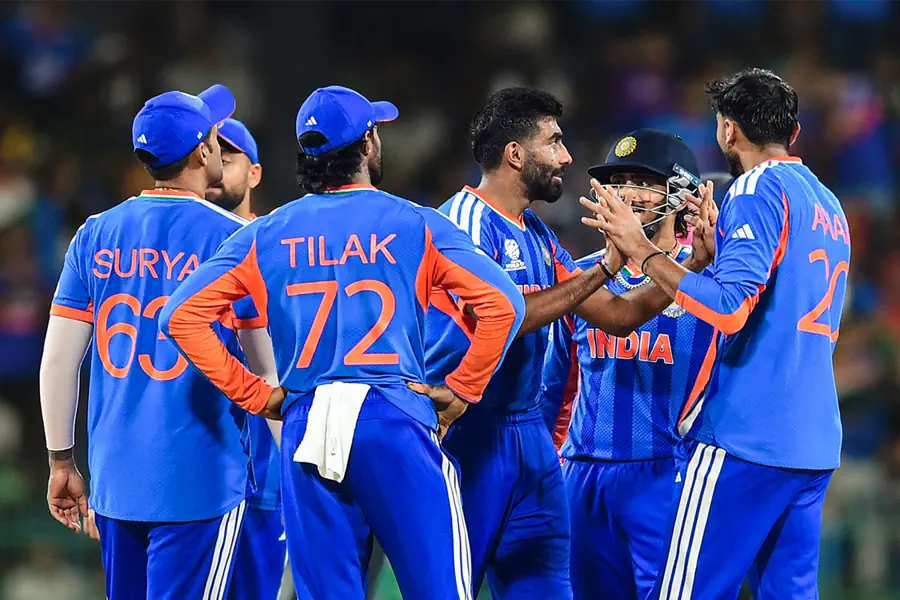
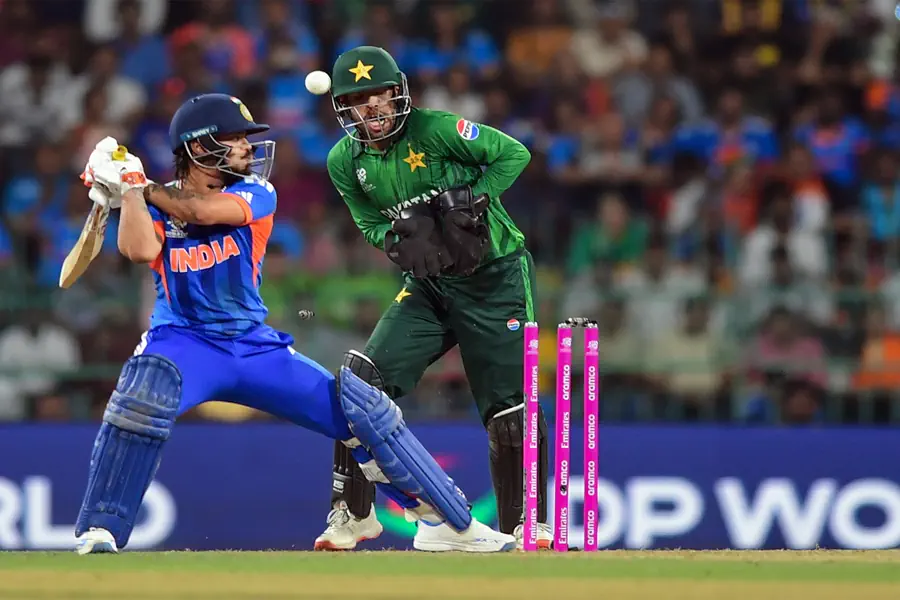
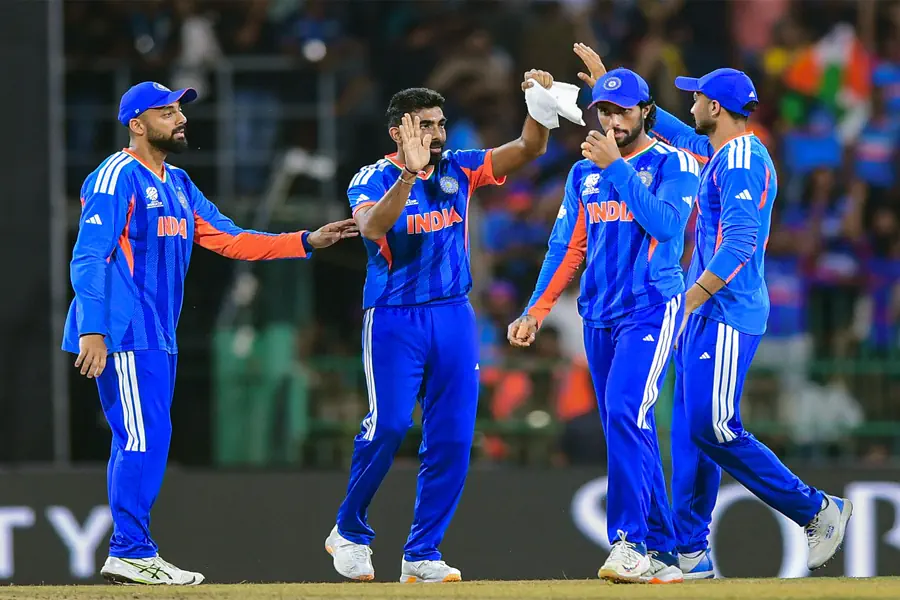
- 15 Feb – India vs Pakistan, Colombo (R. Premadasa)
- 18 Feb – India vs Netherlands, Ahmedabad
So India go Mumbai → Delhi → Colombo → Ahmedabad in just 11 days. That’s four different venues in two countries, with pressure games at both ends. From a fatigue and planning perspective, that’s no joke.
Pakistan’s Sri Lanka-only route
Because of the India–Pakistan neutral-venue agreement, Pakistan will play all their matches in Sri Lanka, including the opener vs Netherlands and the blockbuster vs India.
Their group fixtures:
- 7 Feb – Pakistan vs Netherlands, SSC, Colombo
- 10 Feb – Pakistan vs USA, SSC, Colombo
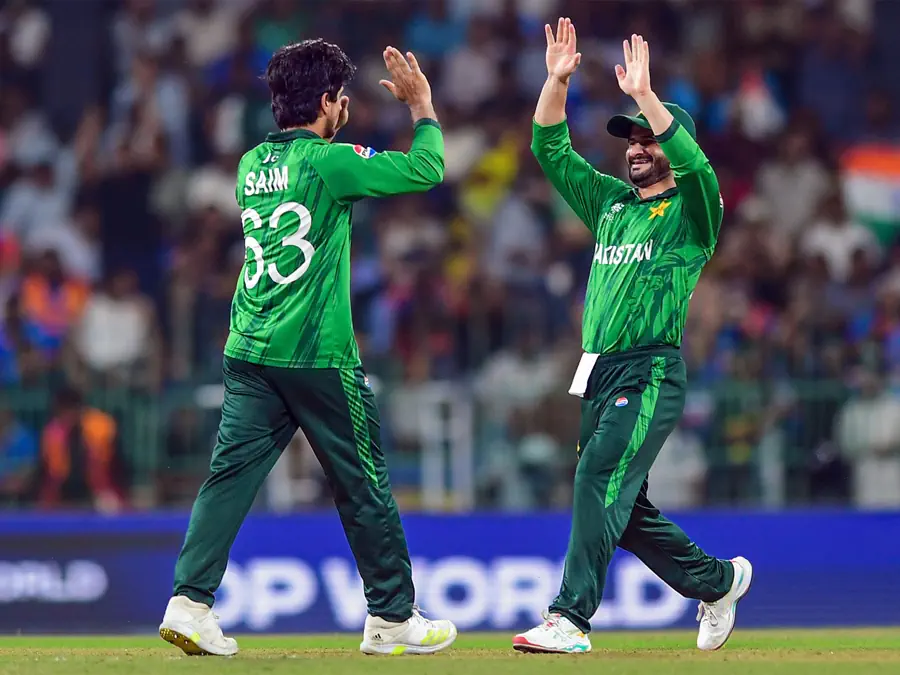
- 15 Feb – Pakistan vs India, R. Premadasa, Colombo
- 18 Feb – Pakistan vs Namibia, SSC, Colombo
No international flights, familiar surfaces, same time zone, less logistical stress. From a schedule comfort angle, Pakistan actually have a “dream” group, even though the opposition isn’t easy.
The Explosive Opener: India vs USA and the Early Tone of the Tournament
India vs USA in Mumbai – a tricky “welcome back”
India start their title defence on opening day, under lights at Wankhede, facing USA on 7 February.
Sounds simple? Not really.
In 2024, USA stunned Pakistan in a Super Over at Dallas, one of the biggest upsets in T20 World Cup history.
So your defending champions are:
- Facing a fearless underdog
- In a high-pressure opener
- At a ground where par scores can be brutally high
If USA’s hitters get a flat Mumbai pitch, India’s “easy opener” can turn into a powerplay ambush.
Why USA, Namibia and Netherlands can’t be taken lightly
All three so-called minnows have recent scalp-hunting history:
- USA beat Pakistan in 2024, showing they’re no longer content just “making up the numbers”.
- Netherlands famously knocked South Africa out of the 2022 T20 World Cup and beat them again at the 2023 ODI World Cup.
- Namibia have qualified again via the Africa pathway and have invested in high-profile coaching (Gary Kirsten as consultant) specifically with 2026 in mind.
Throw them onto evening pitches in Delhi, Ahmedabad and Chennai and you get banana-skin games that can derail a big team’s campaign in a single bad powerplay.
The Marquee Clash: India vs Pakistan on 15 February in Colombo
Timing in the middle of a packed group phase
The India vs Pakistan showdown is set for 15 February 2026 at R. Premadasa Stadium, Colombo, under lights.
Crucially, this game sits:
- After India have already faced USA (Mumbai) and Namibia (Delhi)
- After Pakistan have played Netherlands and USA in Colombo
So neither side is “easing in”. They arrive with form, fatigue, and table pressure already in play. If either has slipped up to an associate side, this basically becomes a virtual knockout.
Neutral venue, emotional pressure
Colombo is technically neutral, but let’s be honest:
- India will still draw a huge travelling and local diaspora crowd
- Pakistan will feel at home in Sri Lankan conditions, especially under lights
Humidity, late-evening dew and a turning pitch can turn this into a spinners + nerves battle, rather than a flat-deck slogfest.
Is Group A Really the “Group of Death”?
Star power vs actual qualification risk
Group A is TV gold. You’ve got:
- India, defending champions
- Pakistan, wounded giant after 2024’s USA shock
- A rising USA
- Netherlands, serial upset-makers
- Namibia, an improving African side
But in terms of qualification maths, India and Pakistan are still strong favourites to take the top two spots. For it to become truly deadly, at least one associate must consistently punch above their weight.
Schedule pressure: four venues, two countries in 11 days
Where Group A does feel like a “Death Group” is from a logistics angle:
- India’s travel: Mumbai → Delhi → Colombo → Ahmedabad
- Short gaps between fixtures
- One high-voltage derby sandwiched between must-win games
If you’re India, you’re living in a pressure cooker for two straight weeks. Drop one upset plus the Pakistan game and suddenly the defending champions are staring at the exit door.
Enter Group D – The Purist’s “Death Group”
Group D teams and styles
Group D is: New Zealand, South Africa, Afghanistan, Canada, UAE.
That’s:
- Two established contenders: New Zealand (D1), South Africa (D2)
- One hyper-dangerous dark horse: Afghanistan (D3)
- Two improving associates: Canada and UAE
Three teams with realistic Super 8 ambitions, chasing only two tickets. That’s peak “group of death” energy.
South Africa and New Zealand’s brutal back-to-back in Ahmedabad
Look at the fixture block:
- 9 Feb – South Africa vs Canada, Ahmedabad
- 11 Feb – South Africa vs Afghanistan, Ahmedabad
- 14 Feb – New Zealand vs South Africa, Ahmedabad
So South Africa get:
- A “must dominate” game vs Canada,
- Then Afghanistan’s world-class spin attack,
- Then New Zealand, all on the same ground, in quick succession.
That’s three high-stakes games in six days on big boundaries and tiring pitches. If the surface slows down by mid-tournament, Afghanistan’s spinners become even more threatening.
Afghanistan’s spin threat on subcontinental pitches
Afghanistan come in as a seeded Super 8 team after a semi-final run in 2024.
On turning tracks in Chennai and Delhi, their spin attack can make even heavyweights look clueless. For New Zealand and South Africa, Group D isn’t just about beating each other – it’s about surviving Afghanistan without dropping points.
That’s why, on pure cricketing difficulty, Group D feels more like the traditional “Group of Death” than Group A.
Groups B and C – Quietly Nasty, or the “Groups of Dreams”?
Group B – Australia, Sri Lanka, Ireland, Zimbabwe, Oman
Most of these matches are packed into Sri Lanka’s venues – Colombo and Kandy.
For pre-seeded Australia (B1/X2) and Sri Lanka (B2/Y4), this is close to a “group of dreams” logistically:
- Limited cross-border travel
- Conditions they understand (Asia for SL, spin-friendly for Aus who now thrive in subcontinental T20s)
- Associates who can surprise, but are statistically underdogs
From a favourites’ point of view, this is the group you secretly hope to be in.
Group C – England, West Indies, Bangladesh, Italy, Nepal
Here, styles clash:
- England & West Indies: brutal power-hitting
- Bangladesh & Nepal: spin, hustle and savvy in Asian conditions
- Italy: debutants with nothing to lose
This group isn’t soft – but in terms of sheer Top-3 quality density, Group D still edges it.
Travel Burden and Schedule Fatigue – Who Has It Toughest?
India’s zig-zag between India and Sri Lanka
We’ve already seen India’s pinball route:
- Mumbai → Delhi → Colombo → Ahmedabad between 7 and 18 February
That means:
- Constant packing/unpacking
- Different climates and pitch types
- Little time to recover emotionally between USA opener and Pakistan clash
If you’re looking for a schedule-based trap, this is it.
Australia’s more compact Sri Lanka-heavy route
Australia, meanwhile, are largely parked in Sri Lanka:
- AUS vs Ireland – Premadasa, Colombo
- AUS vs Zimbabwe – Premadasa, Colombo
- AUS vs Sri Lanka – Kandy
- AUS vs Oman – Kandy
Fewer flights, more chance to get into a rhythm. If you had to choose a fatigue-friendly group as a big team, Group B is a strong contender.
Road to the Super 8s – How the Seedings Shape the “Real” Death Groups
Pre-assigned seeds (X1, X2, Y1, Y2…) explained
In the Super 8s, the seeds line up as:
- Group 1 (X-group): X1 (India), X2 (Australia), X3 (West Indies), X4 (South Africa)
- Group 2 (Y-group): Y1 (England), Y2 (New Zealand), Y3 (Pakistan), Y4 (Sri Lanka)
If any seeded team fails to qualify, their spot is taken by whoever replaces them from that group.
India’s likely Super 8: a mini world XI in one pool
If seeds hold, India’s Super 8 group could be:
- India (X1)
- Australia (X2)
- West Indies (X3)
- South Africa (X4)
That’s arguably tougher than any group stage pool – a mini world XI, no associates, no “easy” games, and venues like Ahmedabad, Mumbai and Chennai in play.
So even if Group A isn’t the purest “group of death”, India’s seeded Super 8 path definitely is.
Pakistan’s path if they qualify as A2
Pakistan, as A2/Y3, would head to the Y-group alongside:
- England (Y1)
- New Zealand (Y2)
- Sri Lanka (Y4)
Again – no freebies. But the spin-friendly conditions in Sri Lanka and India might actually suit Pakistan’s bowling model if they get their balance right.
So, Which Is the True “Group of Death”?
On pure cricket: why Group D edges it
If we strip away TV ratings and look only at qualification difficulty:
- Group D has three serious contenders (New Zealand, South Africa, Afghanistan) chasing two spots
- All three have recent strong ICC tournament pedigrees
- Associates Canada and UAE can still upset on their day
That density of quality makes Group D the true “Death Group” on cricketing merit.
On drama and eyeballs: Group A is unmatched
If we talk emotion, storylines and potential chaos:
- IND vs USA opener (recent giant-killers)
- India’s heavy travel and compressed schedule
- IND vs PAK on Feb 15 in Colombo – the tournament’s biggest single fixture
- Upset-ready sides in USA, Netherlands and Namibia
From a fan and broadcaster perspective, Group A is the “Group of Death for TRPs” – the one everyone will obsess over daily.
And the “Group of Dreams”?
From a favourite’s perspective
Looking purely at schedule and travel:
- Group B (Australia, Sri Lanka, Ireland, Zimbabwe, Oman) is close to a “Group of Dreams” for the two pre-seeded favourites:
- Mostly Sri Lanka-based
- Limited inter-country travel
- Familiar Asian conditions
- Opponents who can challenge, but don’t match the cumulative threat of Group D
From an associate underdog’s perspective
From an underdog’s point of view, the “dream” is different:
- Group A gives USA, Namibia and Netherlands a chance to:
- Face India, Pakistan on the biggest stages
- Create era-defining upsets
- Ride massive global visibility
So for smaller teams, Group A is the “Group of Dreams” for exposure and miracle wins.
Key Matches Every Fan Should Mark on the Calendar
With millions of global fans tuning in, many overseas viewers rely on a VPN for streaming to access local broadcasts and uninterrupted coverage of the India vs Pakistan clash.
- 7 Feb – India vs USA, Mumbai – defending champs vs giant-killers, under lights.
- 7 Feb – Pakistan vs Netherlands, Colombo – early nerves for Pakistan against a notorious upset machine.
- 11 Feb – South Africa vs Afghanistan, Ahmedabad – a spin-heavy roadblock in Group D.
- 14 Feb – New Zealand vs South Africa, Ahmedabad – massive Group D pivot game.
- 15 Feb – India vs Pakistan, Colombo – the marquee clash that could redefine the group table in one night.
Final Verdict – What the Schedule Really Tells Us
If we put everything together:
- Death Group (cricketing difficulty):
👉 Group D – three Super-8-level teams (NZ, SA, AFG) chasing two slots, with brutal Ahmedabad double-headers. - Death Group (drama + pressure):
👉 Group A – schedule-heavy for India, neutral-venue India–Pakistan, and three very live underdogs. - Group of Dreams (for favourites):
👉 Group B – largely Sri Lanka-based, manageable travel and conditions for Australia and Sri Lanka. - Group of Dreams (for associates):
👉 Group A – maximum visibility and upset potential for USA, Namibia and Netherlands.
In short, the T20 World Cup 2026 schedule has quietly shifted the conversation:
the real battle isn’t just who you play – it’s where, when, and in what order.
Also Read:
- India Rocked It: Sachin, Sehwag Laud Men In Blue After Emphatic Win Over Pakistan In T20 World Cup

- T20 World Cup: Suryakumar Hails Ishan’s Responsible 77, Says India Were 15-20 Runs Above Par Against Pakistan
- IND vs PAK: Kishan’s 77 Powers India To 61-Run Win Over Pakistan In T20 World Cup
- IND vs PAK Clash Sees Pakistan’s 18-Over Spin Strategy Join T20 WC Record Books