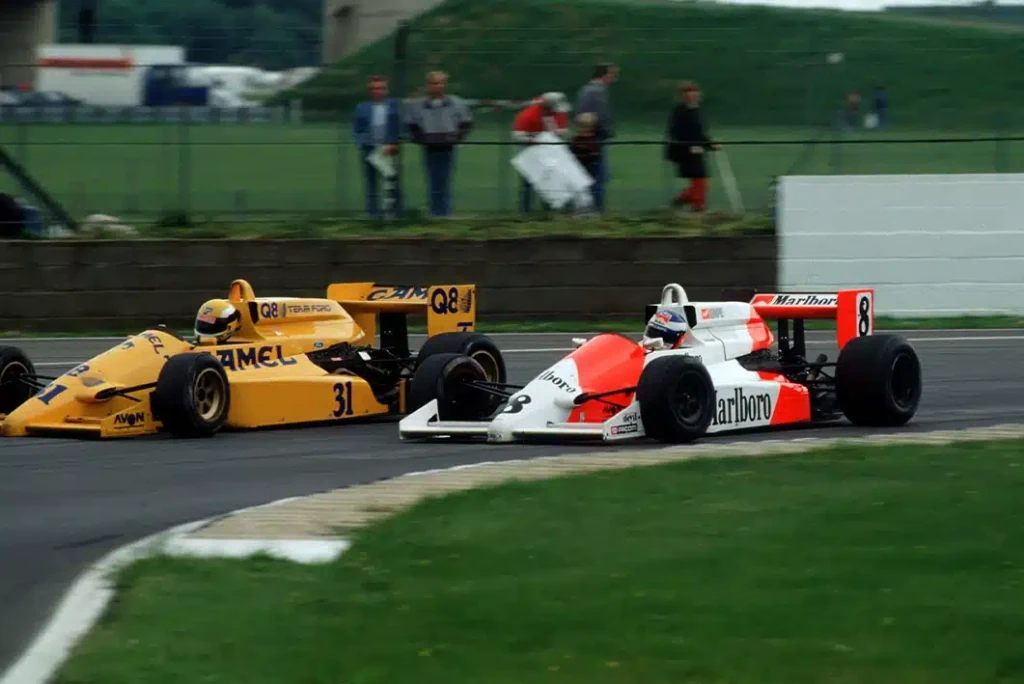
The International Formula 3000 was a prestigious single-seater racing championship that operated from 1985 until 2004. It was conceived as the official feeder series to Formula One and positioned above Formula Three in the motorsport ladder. The 1xBet login procedure will also help you to bet on many fantastic motorsport series too.
It was created by the Fédération Internationale de l’Automobile (FIA) to replace the fading Formula Two category. It also intended to offer a more cost-effective and competitive training ground for drivers with aspirations of reaching the pinnacle of open-wheel racing. If you login into 1xBet, you can also discover amazing bets on Formula 1 too.
The name Formula 3000 referred to the maximum 3000 cc engine capacity mandated in the regulations, initially centred around the venerable Cosworth DFV V8. This was a former Formula One powerplant made obsolete by turbocharging but reborn in the new series. Other engines, like those developed by John Judd and later Mugen-Honda, became prominent as the series matured.
A discipline that had many great drivers
From its inception at Silverstone in 1985, where 17 drivers contested the first rounds, Formula 3000 quickly established a reputation for close, unpredictable racing. Early seasons saw a variety of chassis manufacturers, such as:
- March;
- Ralt;
- Lola;
- and AGS.
All of them competed under open regulations, which allowed innovation and diverse engineering approaches. It was also a genuine proving ground: drivers who excelled often caught the attention of Formula One teams.
It produced many well-known graduates such as Jean Alesi, Olivier Panis, Juan Pablo Montoya, Sébastien Bourdais, Justin Wilson, and Nick Heidfeld. However, only a handful of F3000 champions went on to win a Formula One Grand Prix, with Montoya’s seven victories being the most notable.
By the mid-1990s, the championship shifted to specification cars, which had standardised chassis and engines. They were intended to control costs but ironically contributed to rising expenses and diminishing variety. The growing financial pressures of the early 2000s, along with competition from other emerging feeder series, reduced grid sizes and ultimately eroded Formula 3000’s standing.
After the 2004 season, the series was discontinued and replaced by the GP2 Series in 2005. It was designed with closer technical and commercial ties to Formula One and a renewed focus on bridging the gap to Formula 1.
Although Formula 3000 no longer exists, its legacy endures in modern feeder formulas and in the careers of drivers whose names first made headlines on its grids. It remains a significant chapter in the history of motorsport development.
Also Read:
- Nahid Rana Credits Shaun Tait After Five-Wicket Haul In Bangladesh’s ODI Win Over Pakistan

- Gujarat Titans Appoint Vijay Dahiya As Assistant Coach Ahead Of IPL 2026
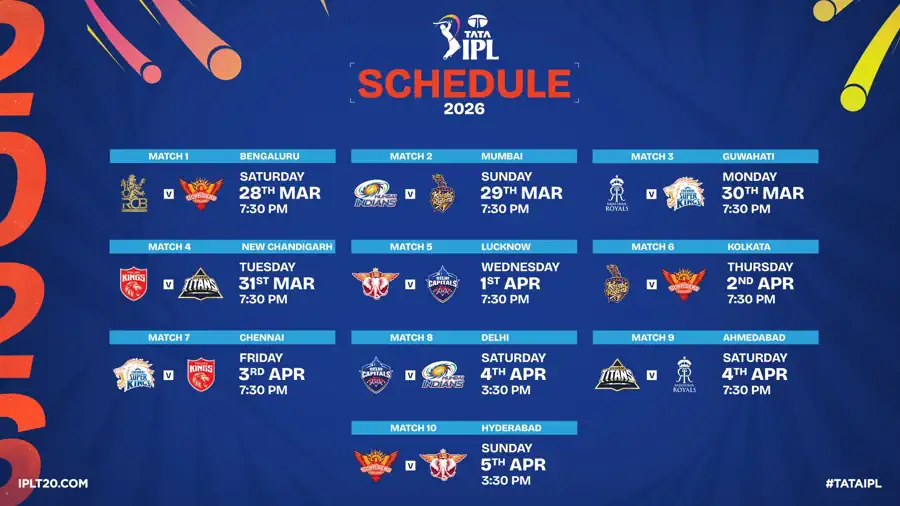
- BCCI Announces First Phase Schedule For IPL 2026 Starting March 28
- Suryakumar Yadav Says “It Feels Great” After India Win Back-To-Back T20 World Cup Titles