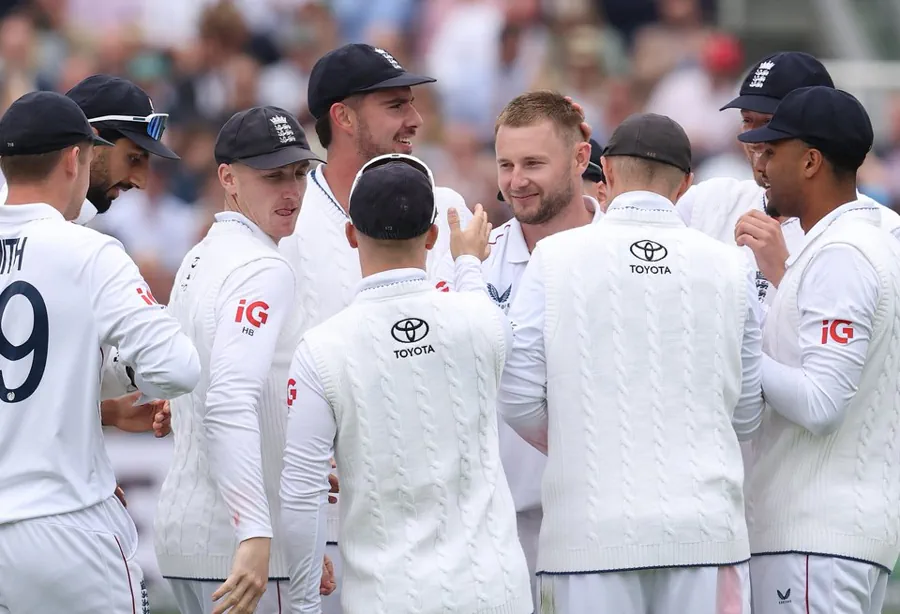

There are few sporting experiences quite like attending a Test cricket match. Unlike the fast-paced excitement of limited-overs cricket, Test cricket is a marathon rather than a sprint, unfolding over five days and rewarding patience, knowledge, and tradition. For many supporters, attending a Test match is not simply about watching cricket; it is about participating in a series of cherished rituals that have been passed down through generations similar to the growth in best payout online slots.
The match day experience often begins long before the first ball is bowled. Fans carefully prepare in advance, checking weather forecasts, selecting their clothing, and packing essentials for a long day at the ground. A Test match demands commitment. Spectators might bring sunscreen, hats, portable radios, binoculars, scorebooks, and enough snacks and refreshments to see them through several sessions of play. Veteran attendees know that comfort is key, especially when spending up to eight hours at the venue.
The journey to the ground is itself a significant part of the ritual. Trains, buses, and packed walkways become filled with supporters wearing team colours and discussing the anticipated contests ahead. Conversations about team selection, pitch conditions, and recent performances dominate the atmosphere. There is a shared sense of excitement, regardless of whether the match is being played at Lord’s, Headingley, the MCG, or any other iconic venue.
Arriving early is another important tradition. Many spectators like to be in their seats well before the toss takes place. This allows time to soak up the atmosphere, explore the ground, and observe the players during warm-ups. The sight of grounds staff making final preparations to the pitch and outfield creates a feeling that something special is about to begin. For seasoned cricket lovers, these quiet moments before play can be just as enjoyable as the action itself.
One of the most iconic rituals is witnessing the opening of play. As the players emerge from the pavilion and take their positions, anticipation builds around the ground. The singing of national anthems during international fixtures often adds to the sense of occasion. Then comes the first delivery of the day, which is greeted with heightened attention from every spectator. A successful opening spell by the bowlers or a confident start by the batters can set the tone for the entire day.
Equally important are the social traditions that define Test cricket culture. Families, friends, and colleagues gather not only to watch cricket but to spend quality time together. Conversations ebb and flow alongside the match itself. Discussions range from tactical analysis to memories of legendary players and famous encounters. Unlike many sports where every moment demands constant concentration, Test cricket creates space for storytelling, reflection, and companionship.
Food and drink form another essential element of the match day ritual. Whether it is enjoying a pie at an English ground, sharing sandwiches from a picnic basket, or sampling local cuisine available around the stadium, eating and drinking are woven into the fabric of the experience. Lunchtime and the tea interval provide natural breaks in play, allowing supporters to stretch their legs, replenish supplies, and exchange opinions on the day’s events so far.
The tea interval, in particular, remains one of Test cricket’s most distinctive traditions. Few sports pause for tea, and the continuation of this custom serves as a reminder of the game’s long history. During the break, spectators discuss key moments, analyse the state of the contest, and speculate about what might happen during the final session. It is a ritual that links the modern game with its Victorian origins.
Many dedicated followers also keep score throughout the day. Although electronic scoreboards provide instant updates, manually recording runs, wickets, and milestones remains a popular pastime among traditionalists. Keeping score encourages deeper engagement with the game and creates a personal record of memorable performances. Looking back through an old scorebook can instantly revive memories of a dramatic century or a match-winning spell of bowling.
As the afternoon progresses, the atmosphere inside the ground often evolves. Songs and chants emerge from groups of supporters, while applause is generously offered for moments of individual brilliance, regardless of which team produces them. Cricket audiences have long been known for appreciating skill and sportsmanship. A magnificent cover drive, a spectacular catch, or a perfectly delivered yorker can earn admiration from all corners of the stadium.
One of the unique pleasures of Test cricket is its unpredictability. A match that seems destined for a draw can suddenly burst into life through a collapse of wickets or a counterattacking innings. Experienced supporters understand that patience is often rewarded. Consequently, another unofficial ritual is resisting the temptation to judge the outcome too early. Test cricket frequently produces twists and turns that keep spectators engaged until the very final session.
As play draws to a close, supporters often linger to applaud the players from the field. There is satisfaction in having shared an entire day’s sporting journey with thousands of fellow enthusiasts. Discussions continue while leaving the ground, with fans debating decisions, highlighting standout performances, and predicting what might happen on the following day.
Ultimately, attending a Test cricket match is about much more than the scorecard. It is a celebration of tradition, patience, community, and sporting excellence. The rituals that surround a day’s play, from the early-morning preparation to the post-match discussions, are what make the experience so memorable. For many cricket lovers, these customs are as important as the cricket itself, transforming a simple sporting event into a cherished cultural occasion that remains unmatched in the modern sporting landscape.