Cricket has been the heartbeat of Indian sports for decades. It is more than a game—it’s a shared emotion that brings families together, fills stadiums with celebrations, and dominates television screens throughout the year. No other sport in India has matched cricket’s cultural connection, fan loyalty, or massive reach. Yet in the past few years, kabaddi has emerged as a surprising challenger, driven mainly by the Pro Kabaddi League (PKL). The sport has transformed from being seen as rural and old-fashioned to becoming a modern, energetic, and TV-friendly spectacle. This shift raises an interesting question: Can kabaddi ever grow enough to challenge cricket’s dominance in India?
Cricket’s Long-Standing Dominance
Cricket’s position at the top is built on a long history of emotional moments, legendary players, and international success. Landmark events such as the 1983 World Cup win, the rise of icons like Sachin Tendulkar and MS Dhoni, and the global success of the IPL have kept cricket firmly rooted in Indian culture. Children grow up playing the sport in lanes, grounds, and schools, and the constant cycle of cricket events across formats keeps fans engaged nearly all year. This constant visibility and emotional attachment make cricket very hard for any sport to rival.
Kabaddi’s Modern Rise Through PKL
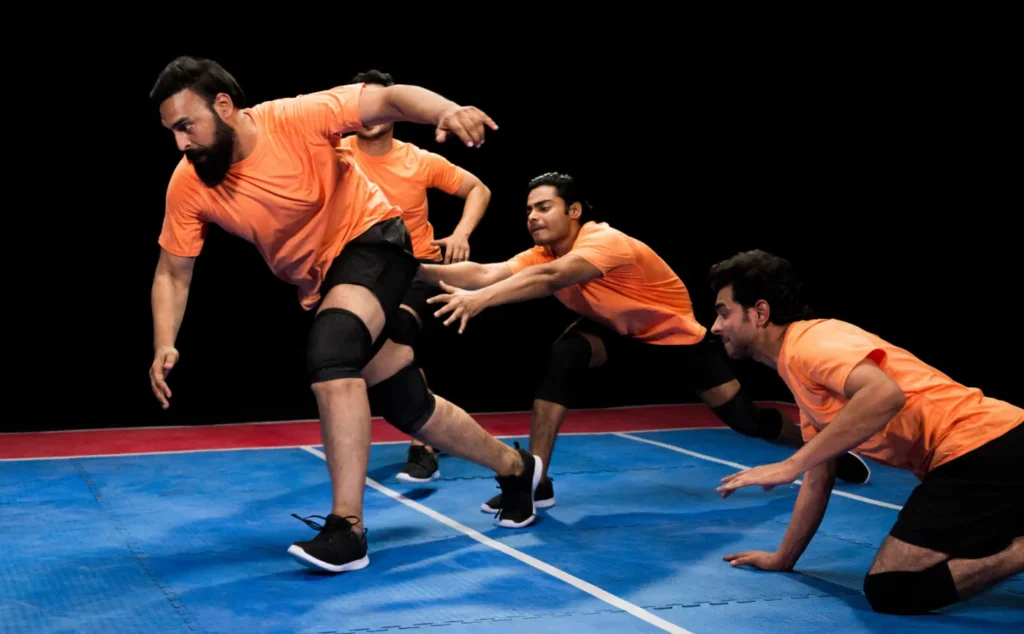
Kabaddi underwent a dramatic transformation after the launch of the Pro Kabaddi League in 2014. What was once seen as a rural sport quickly became one of India’s most-watched leagues. Fast-paced action, colourful graphics, loud arenas, dramatic music, replays, and city-based teams turned kabaddi into a modern entertainment product. Players who were once unknown—like Pardeep Narwal, Rahul Chaudhari, Anup Kumar—became national stars. PKL helped kabaddi break out of rural boundaries and gain strong urban popularity, something no other domestic sport besides cricket had achieved.
Viewership: Cricket Still Leads, but Kabaddi Impresses
IPL regularly attracts the highest television and streaming ratings in the country, often crossing 400–500 million viewers across a season. International cricket, especially India vs Pakistan matches, breaks global streaming records almost every year. Kabaddi’s numbers, while smaller, are still remarkable. PKL seasons have crossed 300 million cumulative viewers, making it India’s second-most-watched sports league. On digital platforms, cricket remains far ahead, but kabaddi is showing steady growth among younger, mobile-first audiences.
The Money Gap: A Huge Difference in Scale
Cricket’s financial ecosystem is enormous. IPL is one of the richest sports leagues in the world, with billion-dollar broadcasting deals, high franchise valuations, and huge sponsorship investments. This economic power translates into very high player salaries, with top cricketers earning ₹10 to ₹20 crore per IPL season. Kabaddi salaries have improved significantly, but the scale is still modest in comparison. The highest-paid kabaddi players earn around ₹1 crore per PKL season. Brand endorsements also heavily favour cricket, as companies prefer the universal recognition of cricketers for national campaigns.
Popularity and Cultural Impact
Cricket dominates social media platforms, with players like Virat Kohli having global-level followings. Cricket stadiums deliver a grand, festival-like experience that blends sport, entertainment, and celebrity presence. Kabaddi creates a different kind of atmosphere—intense, close-range, and extremely energetic—but on a smaller scale. At the grassroots level, cricket remains widespread in both urban and rural India, supported by thousands of academies and coaching programs. Kabaddi, historically rooted in rural areas, is now expanding rapidly into cities because of PKL’s visibility.
What Works in Kabaddi’s Favor
Kabaddi has several advantages that make it a strong long-term contender. The sport is fast, easy to understand, and extremely thrilling. Matches are short, fitting perfectly with modern attention spans. It requires minimal equipment or infrastructure, making it accessible for millions of young players. And with growing college and school-level kabaddi programs, the sport’s talent pipeline is expanding quickly.
What Kabaddi Still Lacks Compared to Cricket
Kabaddi’s biggest challenge is its limited international presence. While cricket is played across continents with global tournaments, kabaddi’s reach remains restricted to a handful of countries. The sport still lacks frequent international competitions, global superstars, and a strong worldwide fanbase. Without these, matching cricket’s scale remains difficult.
Fans’ Engagement Through Kabaddi Betting
For many sports fans, kabaddi has also opened new avenues of entertainment beyond just watching matches. With the rise of online platforms, fans now follow raids, tackles, and match momentum more closely through fantasy leagues and regulated sports prediction formats. Many users explore kabaddi betting app to stay more engaged with live matches, track team statistics, understand player performance, and make data-driven predictions during PKL or international kabaddi series. While these platforms add an extra layer of excitement for some viewers, it’s important to use them responsibly and only on legally compliant apps that prioritize user safety. For fans who enjoy analysing matches, following form guides, and predicting game outcomes, this additional layer of interaction makes kabaddi even more immersive and enjoyable.
Future Outlook: Can Kabaddi Catch Up?
In the current landscape, kabaddi is unlikely to dethrone cricket soon. Cricket’s emotional, economic, and cultural hold over India is too strong. However, kabaddi doesn’t need to become number one to be considered successful. The sport has already achieved something remarkable—becoming India’s second-most-watched league, building strong national presence, and giving many homegrown athletes a powerful platform. With improved marketing, more international exposure, and continued PKL growth, kabaddi can keep narrowing the gap. It may not replace cricket, but it can become a major force in India’s sporting future.
Wrap Up
Cricket will likely remain India’s favourite sport for many years, but kabaddi’s rapid rise is a positive sign of a more diverse sports culture. Kabaddi has successfully carved out its own space and continues to gain momentum. While cricket’s dominance is still secure, kabaddi is clearly India’s strongest homegrown challenger—and its climb has only just begun.
Also Read:
- Nahid Rana Credits Shaun Tait After Five-Wicket Haul In Bangladesh’s ODI Win Over Pakistan

- Gujarat Titans Appoint Vijay Dahiya As Assistant Coach Ahead Of IPL 2026
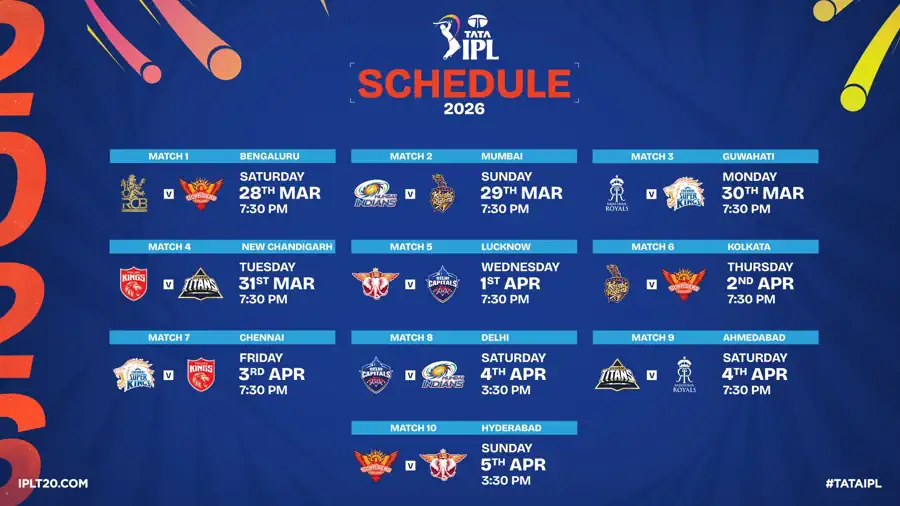
- BCCI Announces First Phase Schedule For IPL 2026 Starting March 28
- Suryakumar Yadav Says “It Feels Great” After India Win Back-To-Back T20 World Cup Titles