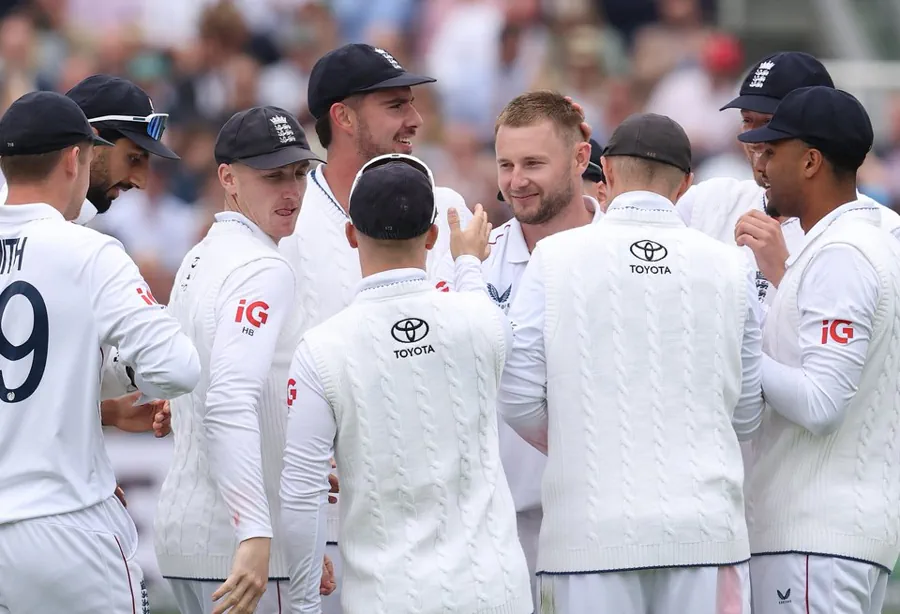
Cricket has a global audience, but following it from South Korea can require a little planning. Many major matches begin late at night or during the working day, and newcomers may encounter unfamiliar formats, terminology and tournament structures. Searches for Cricket Predictions can provide one view of an upcoming contest, yet the best experience starts with a reliable schedule and enough context to understand why the match matters.
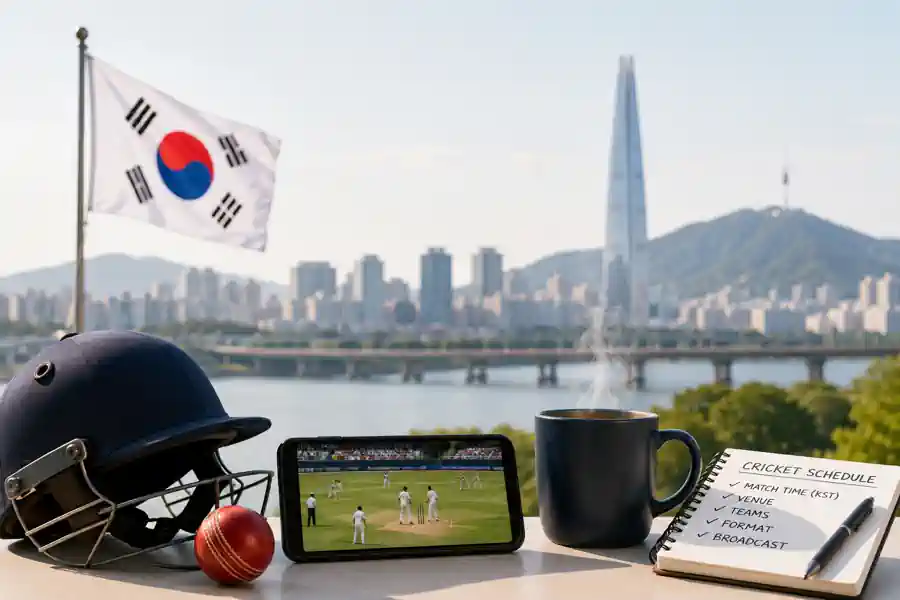
A practical routine makes the sport easier to enjoy without turning every fixture into a sleepless night. The goal is to choose trustworthy sources, convert start times correctly and learn the game at a pace that fits everyday life in Korea.
Start with time zones and formats
South Korea uses Korea Standard Time throughout the year, while many cricket countries change clocks seasonally. A fixture listed in London, Sydney or Mumbai time may therefore move relative to Korea during the year. Always use a calendar that updates time zones automatically rather than adding hours from memory.
The format determines the commitment. A Twenty20 match normally fits into one evening, a one-day international occupies much of a day, and a Test match can continue for up to five days. New viewers often find short-form cricket easier at first, but Test cricket becomes rewarding once sessions, declarations and pitch deterioration make sense.
Find a viewing routine that works
Not every ball needs to be watched live. For an inconvenient start, choose between live scores, radio commentary, extended highlights and a full replay. Turning off notifications can preserve the suspense if you plan to watch later.
Useful sources include:
Official competition schedules and team accounts
Legal broadcasters available in South Korea
Community groups with clear moderation rules
Score applications that show the local start time
Prepare one reliable live score sourceChoose highlights if the finish falls during work hours
Availability can change by tournament, so check the broadcaster before match day. Avoid unofficial streams that may be unreliable, unsafe or in breach of local rights.
Use local communities to learn faster
Cricket communities in Korea include international residents, students, workers and Korean fans who discovered the sport abroad or online. Local clubs and social groups can explain rules in a relaxed setting and help newcomers find places to play.
A community is most useful when it welcomes basic questions. Terms such as powerplay, leg before wicket, strike rate and follow-on can seem dense when several appear at once. Watching with experienced fans allows the rule to be explained at the moment it affects the match.
Language also shapes access. English commentary is common, but diagrams, translated summaries and short explanatory videos can make tactics clearer. When sharing an explanation, keep the original cricket term beside the translation so readers can recognise it on international broadcasts.
Build context before the first ball
A short preview should answer a few essential questions. What competition is being played? Does the match affect qualification? What is the format? Where is the venue, and what conditions are expected? Which players are unavailable?
Team form deserves care. A strong record in Tests does not automatically predict success in Twenty20 cricket. Venue conditions can also reverse a familiar advantage. A dry surface may favour spin, while cloud and a new ball may help swing bowling.
Head-to-head numbers are most useful when the squads, format and conditions are comparable. A result from many years earlier can be interesting history without being strong evidence for the next match.
A simple match-day preparation list
Before the game:
Save the fixture in Korea Standard Time
Check the format and likely duration
Confirm the squads and final availability news
Prepare one reliable live score source
Choose highlights if the finish falls during work hours
Review the result with a full scorecard
These steps reduce confusion and make it easier to follow several competitions without mixing dates or teams.
During the match, focus on one or two patterns rather than every statistic. In limited-overs cricket, watch how teams use the powerplay and how they manage wickets before the final overs. In Tests, note the condition of the ball, the length bowlers use and whether the pitch is changing across sessions.
Enjoy the game without chasing every update
Predictions, models and expert opinions can add interest, but cricket remains uncertain. A dropped catch, sudden rain or short spell of exceptional bowling can reshape the contest. Treat forecasts as explanations of possible routes, not guarantees.
It is also healthy to choose which matches deserve live attention. A weekend final may justify an early morning, while a league fixture can wait for highlights. Following cricket from Korea should fit around work, study and rest.
With accurate local times, legal viewing options and a welcoming community, distance becomes a manageable detail. The sport offers strategy, history and dramatic changes of momentum, whether watched live in Seoul, followed on a phone during a commute or enjoyed through highlights the next day.