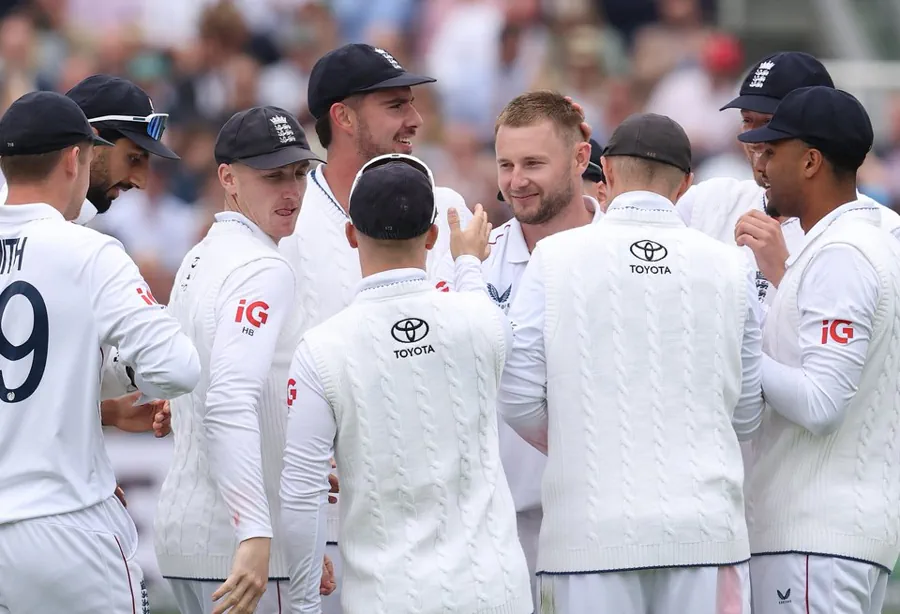
T20 cricket was created for speed, spectacle, and jam-packed calendars. Yet the same compressed timetable that keeps television viewers glued also forces squads to field fresh elevens with barely a night’s rest. When a team hustles from a floodlit finish to an afternoon toss the following day, performance metrics start shifting in ways that reveal the hidden tax of nonstop action.

Match analysts, fantasy players, and even 4rabet support agents who push real-time odds updates notice the pattern first. Strike rates slide a touch, yorkers land fractionally shorter, and running between wickets loses half a step. Those micro-changes may appear minor to casual fans, but franchise owners and coaching crews track them like vital signs because momentum in a twenty-over contest pivots on split-second edges.
Physical Toll Shows Up Faster Than Expected
Endurance requirements in the shortest format differ from Test cricket, yet sprint intensity peaks much higher. A batter accelerates from standstill dozens of times in a single innings, while bowlers explode through 24 maximal deliveries in four overs. When recovery windows shrink, lactic acid hangs around longer, joints protest, and soft-tissue injury risk creeps upward.
Early Fatigue Indicators Coaches Watch Closely
- Average speed during two-run attempts drops by two to four kilometres per hour
- Percentage of mis-fielded saves at the boundary rises noticeably after the twelfth over
- Bowling release points migrate downward, hinting at shoulder tightness
- Heart-rate data shows elevated baselines compared with well-rested outings
- Post-game GPS trackers reveal shorter stride length in final overs
Those signals rarely spell outright collapse, but they shave match-winning sharpness. Field placements can be perfect, yet an outfielder who needs an extra heartbeat to reach the ball gifts an additional run that swings Net Run Rate later in the tournament.
Mental Focus Compresses Under Schedule Pressure
Decision-making in T20 cricket resembles high-frequency trading. Bat selection, captain’s field shifts, and bowler variations occur at blinding speed. Cognitive fatigue lowers the ceiling on that rapid processing. Neuroscience research shows that back-to-back high-stakes events deplete glucose reserves in the prefrontal cortex, the brain region governing split-second judgment.
An over-worked skipper may hesitate one delivery too long before moving a fielder square, allowing a batter to exploit a gap. A wicketkeeper’s half-second delay spotting a slower-ball cue can turn a regulation stumping into a reprieve. The scoreboard rarely attributes such lapses to sleep debt, but video rooms tell the story frame by frame.
Momentum Swings and Statistical Storylines
Tournaments packed with double-headers confirm the pattern. Strike rates for set batters dip by roughly five percent on consecutive-day appearances, while dot-ball percentages against front-line bowlers increase marginally yet decisively. Franchise data divisions mine these nuances to inform rest-rotation formulas. One popular strategy benches pace spearheads for the first clash of a three-match cluster so they arrive fresh when playoff hopes hinge on net run margin.
Counter-Moves That Help Squads Survive Schedule Crunch
- Ice-bath and compression-boot sessions scheduled within fifteen minutes of innings close
- Pre-sleep breathing drills that elevate deep-rest hormones despite late-night caffeine residue
- Micro-naps during travel transfers, supported by blackout goggles and white-noise apps
- Batting practice limited to visualisation and shadow strokes to spare forearm stamina
- Cross-training with resistance bands to maintain muscle activation without heavy lifts
Backroom staff admit these protocols cannot create fresh legs out of thin air, but they maintain enough edge to turn potential fades into resilient finishes.
Franchise Economics Drive Risky Calendars
Tournament organisers cram fixtures into tight windows to maximise broadcast slots, stadium attendance, and sponsor visibility. That commercial equation often leaves player welfare juggling too many variables. Multi-year contracts may protect salaries, yet chronic niggles picked up during succession-day schedules can shorten careers. Agents now negotiate workload clauses, and some boards assign internal caps on overs across clustered series.
Travel Compounds the Challenge
Domestic leagues mitigate strain by hosting double-headers at the same venue, but international series often require overnight flights across climate zones. Altitude fluctuation alters ball swing, humidity impacts grip, and different soil compositions shift spin behaviour — all variables demanding fresh adaptation from minds already stretched thin.
Long-Term Solutions Eye Smarter Rotation
Advanced analytics now model not just matchups but bio-mechanical thresholds. If algorithms predict a pacer’s hamstring carries an eight-percent higher injury probability after two consecutive spells, management may hold that bowler back even in must-win games, banking on healthier availability later. Younger all-rounders gain exposure when veterans rest, widening talent pipelines and keeping championship bids alive.
Conclusion
Back-to-back fixtures inject adrenaline into broadcasting schedules, yet every rapid restart steals a fraction of athletic and mental capacity. Teams that master recovery science, strategic rotation, and data-driven workload management turn potential setbacks into competitive advantages. T20 cricket will remain a sprint-format marathon, but understanding how consecutive matches bend bat and ball offers a clearer blueprint for sustaining peak performance from opening cap to final trophy lift.