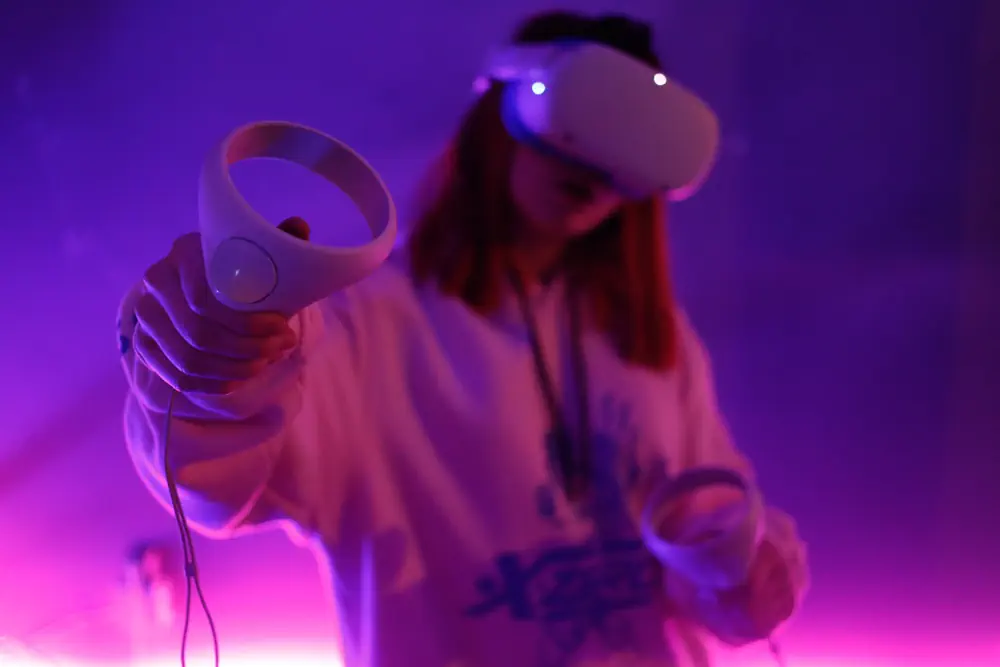
Virtual reality (VR) has moved from arcade novelty to mainstream performance tool, offering elite teams a cost-effective way to sharpen reflexes, reduce injuries, and lengthen careers. Immersive headsets now recreate stadium noise, adjust lighting to mimic sunset kickoffs, and replay split-second decisions from a first-person perspective. Compared with traditional video sessions, VR places the learner at the center of the action, creating muscle-memory responses that translate more quickly onto real grass or hardwood.
Market trackers at plata bet casino recently linked VR adoption to measurable upticks in win percentages across multiple leagues, noting that clubs investing in headset labs often enjoy faster return-to-play timelines after minor strains. The finding underscores how virtual environments extend influence far beyond novelty demonstrations, becoming embedded in daily practice schedules and contract negotiations.
Data-Rich Scenarios Deliver Smarter Tactics
Footage captured by 360-degree cameras feeds directly into proprietary simulation engines. Once rendered, the clip turns into a navigable replay where coaches pause, rotate, and annotate every angle. Athletes can rehearse a pivotal play without waiting for teammates, ensuring that mental reps equal physical reps by game day.
Core Advantages of VR Tactical Sessions
- Real-time situational rewinds allow quarterbacks or midfield generals to replay coverage reads until automatic recognition sets in.
- Opponent pattern libraries store tendencies collected over entire seasons, enabling users to practise against digital doubles who behave like actual rivals.
- Eye-tracking analytics measure peripheral awareness during simulations, guiding vision-training drills that expand field scanning range.
- Latency-free feedback lets performance analysts overlay heat maps showing optimum passing lanes or defensive gaps in the next scrimmage.
Traditional whiteboard sessions still have value, yet VR compresses film study, reaction training, and playbook memorisation into a single interactive loop.
Injury Risk Drops When Repetitions Go Virtual
Rehearsing high-collision scenarios in a headset spares joints from unnecessary wear. Linemen revise blocking angles against a holographic defensive line rather than colliding every afternoon; pitchers refine release points with virtual strike-zone overlays that record elbow torque in real time. Medical departments appreciate the reduction in micro-trauma, while strength coaches use recorded biomechanical data to tailor corrective exercises.
Emerging research shows that controlled VR workloads can lower stress hormone spikes, accelerating recovery after intense travel or double-header weeks. In practical terms, an organisation sees more starters available deeper into the postseason, when margins between victory and elimination grow razor thin.
Mental Conditioning Gains a Safe Testbed
Pressure management is as critical as raw skill. VR recreates deafening crowd noise, countdown clocks, and clutch free-throw scenarios, training athletes to remain composed when stakes soar. Sports psychologists integrate mindfulness cues into these simulations, guiding users through breathing cycles while teammates and rivals surge around them.
Mental Resilience Drills Popular Among Coaching Staff
- Penalty-kick gauntlets bombard shooters with variable goalkeeper animations, forcing fast recalibration between attempts.
- Two-minute drill timers challenge quarterbacks to execute hurry-up offenses while virtual commentators remark on every misstep.
- Crowd hostility modules replicate boos, chants, or flash photography, helping rookies acclimate before first televised appearances.
- Comeback scenarios drop a team into fourth-quarter deficits, training captains to project calm leadership under scoreboard pressure.
- Post-injury confidence rebuilders let recently healed players test game movements without physical risk, smoothing the psychological return.
Because these drills live in software, parameters tweak instantly, offering fresh challenges without new hardware.
Implementation Costs Shrink While Features Grow
Early VR rigs demanded custom-built rooms and six-figure budgets. Now, lightweight headsets pair with cloud-based rendering services, slashing entry expense and storage needs. Open standards let franchises integrate motion-capture suits, haptic gloves, and force-feedback resistance bands as budgets allow. Smaller clubs piggyback on shared facilities or partner with local universities for R&D support.
Technical hurdles remain: accurate depth perception requires consistent frame rates, and prolonged headset wear can induce motion sickness in some users. However, iterative firmware updates and adjustable field-of-view settings steadily reduce these drawbacks, making daily adoption more feasible.
Ethical and Data-Privacy Considerations
Biometric information harvested during VR drills—heart rate variability, reaction times, gaze patterns—ranks among the most sensitive data assets a franchise owns. Secure encryption, limited access protocols, and transparent player consent frameworks are essential. Leagues have begun drafting guidelines to prevent competitive espionage, recognising that a leaked playbook file rendered in high fidelity could tilt an entire season.
Looking Ahead: From Training Aid to Strategic Pillar
As artificial intelligence fuses with VR engines, expect simulations that evolve in real time, learning from each athlete’s choices and adjusting difficulty on the fly. Augmented reality lenses may soon project ghost defenders onto turf during live walk-throughs, bridging the gap between virtual and physical drills.
Virtual reality has advanced far beyond hype, establishing itself as a cornerstone of modern sports science. By offering limitless repetitions without bodily toll, delivering stress-testing environments on demand, and shrinking time between mistake and mastery, VR equips teams to chase championships with fewer injuries and sharper minds. Organisations embracing these tools today set the performance baseline others will need to match tomorrow.