The Indian Premier League has evolved far beyond the boundaries of cricket. What began as a franchise-based T20 tournament has now become one of the world’s largest digital entertainment ecosystems, attracting millions of viewers across streaming platforms, social media channels, fantasy sports apps, and gaming communities. IPL 2026, in particular, highlights how deeply connected sports consumption has become with mobile-first entertainment habits.
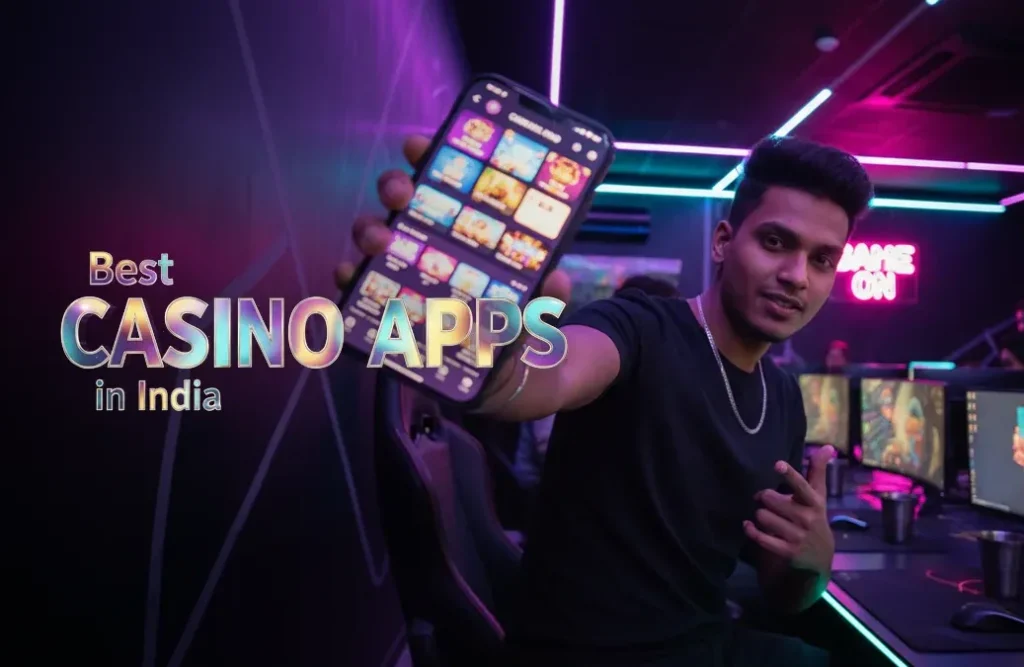
Today’s IPL audience is no longer limited to simply watching matches on television. Fans now interact with the tournament continuously through live chats, prediction games, fantasy contests, creator content, and second-screen apps. In this rapidly evolving environment, gambling-related platforms and casino-style gaming apps have increasingly become part of the wider conversation surrounding live cricket entertainment.
This trend has sparked both enthusiasm and concern. On one hand, these platforms offer interactive engagement that aligns with the fast-paced energy of T20 cricket. On the other, they raise ongoing questions about regulation, advertising ethics, user behaviour, and responsible gaming practices.
IPL 2026 and the Rise of Real-Time Digital Engagement
One of the defining features of IPL 2026 is the rise of real-time audience participation. Fans no longer experience cricket passively. Instead, they actively engage with every phase of the match through mobile devices and digital platforms.
A typical IPL viewer today might stream a match on television while simultaneously checking fantasy league scores, reacting to viral moments on social media, watching analysis clips, and discussing predictions in messaging groups. This phenomenon, often called “second-screen behaviour,” has become central to modern sports entertainment.
Several factors have accelerated this shift. Affordable smartphones, faster internet connectivity, digital payment systems, and app-based ecosystems have dramatically changed how audiences consume live sports. T20 cricket, with its short format and constant momentum swings, naturally complements these digital habits because it creates frequent moments of anticipation and interaction.
As a result, IPL has become one of the most valuable attention markets for real money casino apps in India competing for user engagement during live matches.
Why Gambling Apps Have Become Connected to IPL Culture
The connection between IPL and gambling-related apps is rooted in the psychology of sports entertainment itself. Cricket, especially the T20 format, is built around uncertainty. A single over can completely change the direction of a match, and that unpredictability creates emotional intensity for viewers.
Many digital platforms attempt to capitalize on this excitement by offering interactive experiences tied to live matches. Some apps focus on fantasy sports contests, while others include prediction-based features, card games, casino-style interfaces, or real-money gaming elements.
For users, the appeal often comes from participation rather than observation alone. Instead of simply watching a final-over chase unfold, fans increasingly seek ways to feel more directly involved in the action. Interactive gaming platforms provide an additional layer of engagement during innings breaks, strategic timeouts, or slower phases of the game.
This behavioural shift reflects a broader trend in entertainment consumption where audiences expect continuous interaction rather than passive viewing.
The Blurred Line Between Fantasy Sports and Gambling Platforms
One of the biggest debates surrounding IPL-related gaming culture is the increasingly blurred distinction between fantasy sports, skill-based gaming, and gambling-oriented platforms.
Fantasy sports apps originally positioned themselves as strategy-driven competitions based on player knowledge and match analysis. Over time, however, the ecosystem expanded significantly. Today, many platforms combine fantasy contests with prediction mechanics, reward systems, real-money participation models, and casino-like interfaces.
For casual users, distinguishing between skill-based gaming and gambling-style engagement has become more difficult. Regulatory frameworks in India also vary by state, creating legal complexity around what qualifies as permissible gaming activity versus restricted gambling.
This uncertainty has contributed to a growing public debate. Supporters argue that interactive gaming enhances fan engagement and reflects the future of sports entertainment. Critics, however, warn that aggressive monetization strategies and real-money participation models may expose vulnerable users to financial risks.
IPL 2026 has brought these conversations into sharper focus because of the tournament’s enormous digital reach and influence.
Advertising and the Visibility of Gambling-Adjacent Brands
Even as regulations around gambling advertising continue evolving, IPL remains one of the most attractive marketing opportunities for gaming-related companies. While direct gambling advertisements face restrictions in many regions, brands often rely on surrogate marketing strategies, influencer campaigns, and entertainment-based sponsorships to maintain visibility.
This has created a complicated advertising landscape during IPL 2026. Audiences frequently encounter promotions linked to fantasy leagues, online gaming communities, prediction apps, or entertainment platforms that indirectly connect with gambling culture.
Social media has amplified this visibility even further. Influencers, content creators, and livestream personalities regularly discuss match predictions, fantasy lineups, and gaming platforms during IPL coverage. For younger audiences especially, these integrations can make gaming-related apps appear deeply embedded within the cricket-viewing experience.
Consumer advocacy groups and policymakers have raised concerns about this normalization effect, particularly regarding underage exposure and the influence of celebrity-backed promotions.
Fan Behaviour and the Search for Interactive Entertainment
The growing popularity of gambling-related apps during IPL also reflects a larger change in how people consume entertainment online. Modern audiences increasingly prefer platforms that offer immediate interaction, social engagement, and real-time participation.
For some users, watching cricket alone no longer feels immersive enough. They want companion experiences that keep them engaged throughout the match. This has contributed to the rise of second-screen ecosystems where viewers combine live cricket streaming with fantasy contests, online card games, prediction challenges, and multiplayer gaming experiences.
Importantly, not every user approaches these platforms in the same way. Many fans participate casually for entertainment and social interaction rather than financial motivation. Others are drawn by competition, community engagement, or the thrill of live predictions.
At the same time, experts continue emphasizing the importance of responsible gaming practices. Excessive participation, impulsive spending, and addictive behavioural patterns remain genuine concerns within rapidly expanding digital gaming environments.
The Ethical Debate Around IPL and Gambling Culture
As gambling-related platforms gain greater visibility during IPL seasons, ethical questions surrounding sports entertainment have become harder to ignore.
Critics argue that the constant integration of gaming and betting-style content into sports broadcasting may encourage unhealthy habits, especially among younger users. Concerns around addiction risks, financial losses, misleading advertising, and psychological targeting have intensified as mobile gaming ecosystems grow more sophisticated.
Regulators in several regions are now examining stricter rules regarding gambling-related advertising during sporting events. Discussions around age verification systems, influencer accountability, spending limits, and promotional transparency are becoming increasingly common.
At the same time, supporters of regulated gaming ecosystems argue that clearer legal frameworks and responsible gaming tools may be more effective than blanket restrictions. The debate remains highly polarized, and IPL 2026 has become one of the most visible arenas where these tensions are playing out publicly.
Technology Is Accelerating the Trend
Technology continues to play a central role in the expansion of interactive sports entertainment. Artificial intelligence, algorithm-driven recommendations, real-time analytics, and personalized notifications allow apps to maintain constant engagement throughout live matches.
Many gaming apps now tailor experiences around IPL fixtures specifically, using live data, instant updates, and predictive engagement models to capture user attention. The competition for screen time during major IPL matches has become intense because the tournament consistently generates enormous spikes in online activity.
This convergence of sports, gaming, streaming, and social interaction reflects a larger transformation across the digital entertainment industry. The IPL is no longer just a sporting event; it is a live engagement ecosystem where multiple industries compete for audience attention simultaneously.
The Future of IPL and Interactive Sports Entertainment
Looking ahead, the relationship between cricket and interactive gaming is likely to become even more sophisticated. Future IPL experiences may include integrated second-screen features, live prediction systems, gamified streaming interfaces, and AI-driven fan participation tools embedded directly into broadcasts.
At the same time, regulatory scrutiny is expected to increase. Governments, sports authorities, and technology platforms will likely face growing pressure to balance innovation with consumer protection and responsible digital practices.
IPL 2026 demonstrates how quickly sports entertainment is evolving in the mobile-first era. Gambling-related apps and gaming platforms are now deeply connected to broader fan engagement trends, even as debates around ethics and regulation continue intensifying.
The future of cricket entertainment will probably depend on finding a sustainable balance — one that preserves audience excitement and digital innovation while also addressing the social and ethical challenges that accompany the rapid growth of interactive gaming culture.