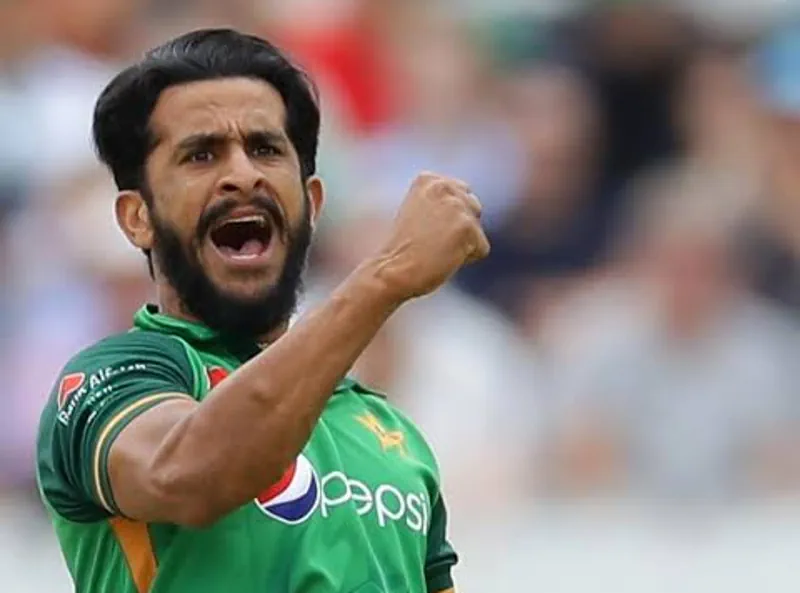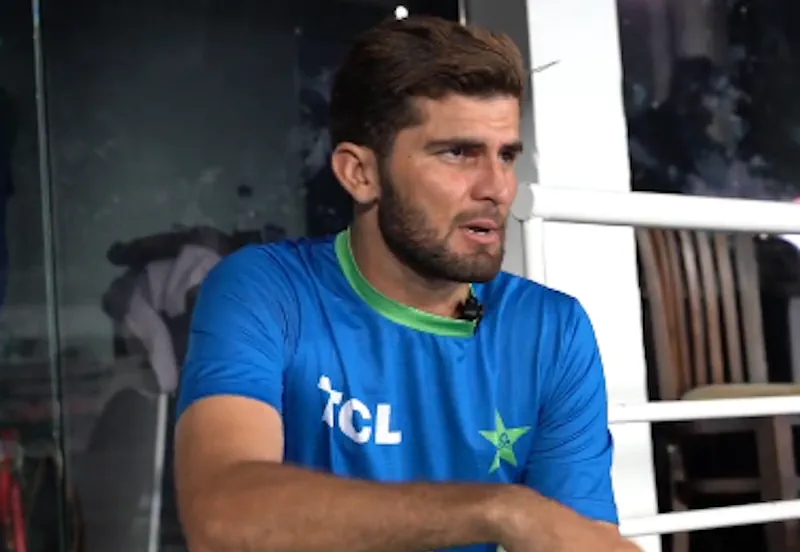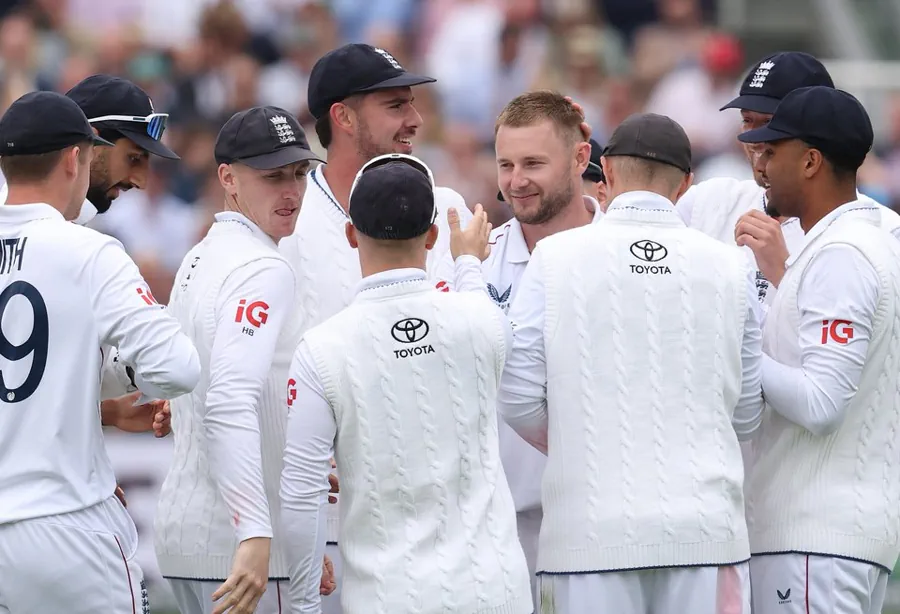
International cricket in 2026 is a richer and more complex offering than at any previous point in the sport’s history. Three distinct formats, a packed global calendar, multiple bilateral series running simultaneously, and the growing presence of franchise T20 leagues alongside international fixtures make the landscape more exciting but also harder to navigate. Whether you are a lifelong follower of the game or someone coming to it fresh, understanding how the different elements of the international schedule fit together helps you get more from everything cricket has to offer.
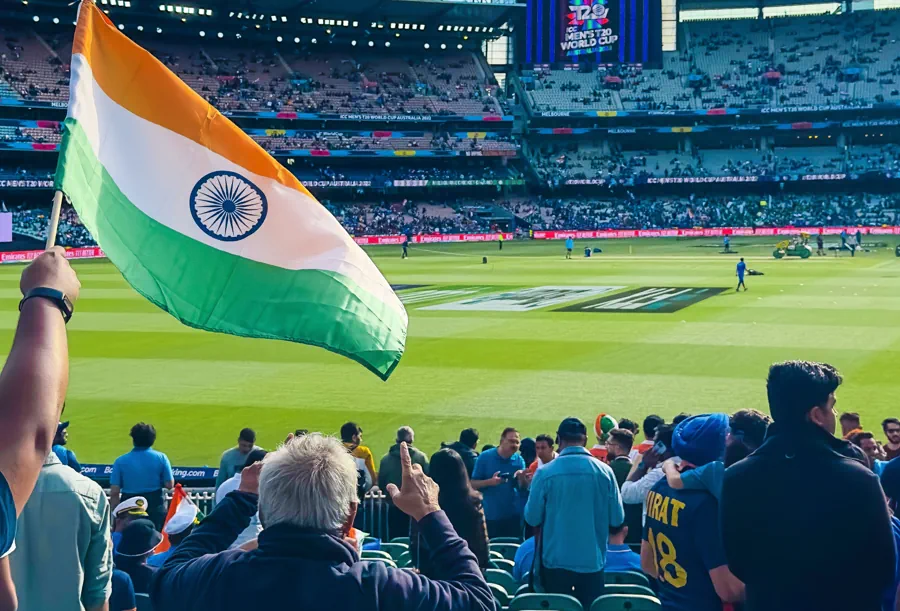
The Three Formats and Their Distinct Characters
Test cricket is the oldest and longest format, played across five days with each team batting twice. It is widely regarded as the most complete examination of a cricketer’s ability, rewarding patience, technique, and mental endurance in ways that shorter formats cannot replicate.
One Day Internationals occupy the middle ground: fifty overs per side, a single innings, and a result in a single day. The format has its own tactical vocabulary built around powerplays, death-overs bowling, and the management of wickets relative to the run rate required.
T20 Internationals are twenty overs per side and typically completed within three hours. The pace, the six-hitting, and the tactical innovations around batting and bowling rotations make T20 the most accessible format for new audiences and the most analytically complex in terms of the decisions made in real time.
The ICC Calendar and How It Is Structured
The International Cricket Council coordinates the global international schedule through a framework that includes bilateral series between nations, multi-team tournaments, and the ongoing World Test Championship cycle.
The World Test Championship is played across a two-year cycle, with teams accumulating points through bilateral series against each other. The top two teams at the end of the cycle meet in a final to determine the world champions of Test cricket. This structure gives individual bilateral series a significance beyond the series itself.
The T20 World Cup and the Cricket World Cup for ODIs are the flagship global events, drawing the largest audiences and generating the most discussion. Understanding where any given international series fits in the broader ICC structure helps contextualise what is at stake for the teams involved.
Following Test Series: The Long Game
Test series are played over multiple matches across several weeks. The narrative arc of a five-match series, with momentum shifting between teams and individual performances taking on cumulative significance, is one of cricket’s distinctive pleasures.
Each Test match typically runs from ten in the morning until six in the evening over five days, though matches are often concluded before the fifth day. Following a Test series closely means tracking how conditions are changing, how the pitch is deteriorating, and how the balance of the match is evolving across multiple sessions.
For Turkish sports followers accessing cricket coverage alongside other sports through platforms like hititbet kumarhanesi nasıl oynanır, Test cricket offers a different kind of engagement from the quick-result sports they may be more familiar with, one that rewards sustained attention.
T20 Leagues and Their Relationship to International Cricket
The proliferation of franchise T20 leagues has created both opportunities and complications for international cricket. The best players in the world are now in high demand across multiple leagues, and the financial rewards available have begun to compete seriously with the prestige of international representation.
For fans, the T20 leagues offer a concentration of talent that international cricket cannot always match: the best players from every country playing against each other regularly rather than only at World Cups. Following a T20 league closely gives you a detailed view of how the game’s best players perform in high-pressure, high-stakes environments.
The relationship between league cricket and international cricket is one of the defining debates in the sport, and understanding it helps you appreciate both formats more fully.
Statistics and How to Use Them in Cricket
Cricket generates more statistical information per match than almost any other sport. Batting averages, strike rates, bowling averages, economy rates, wickets per match, and hundreds of derived metrics give analysts an enormous data set to work with.
The most useful starting point for following cricket analytically is understanding context. A batting average of forty-five means very different things depending on whether it was achieved on flat batting pitches against weak bowling attacks or on difficult surfaces against top international attacks. Statistical context is everything in cricket analysis.
Building Your Own Following Schedule
Given the volume of international cricket available, being selective is reasonable and necessary. Following every series closely across all formats is a near full-time occupation. Most cricket followers pick a team or a small number of teams to follow in depth and supplement that with casual attention to the rest of the calendar.
The ICC’s own fixtures portal, alongside dedicated cricket websites and apps, gives you the tools to plan your following schedule around the matches and series that matter most to you. Setting up notifications for the teams you care about most is the easiest way to stay across the schedule without being overwhelmed by its volume.