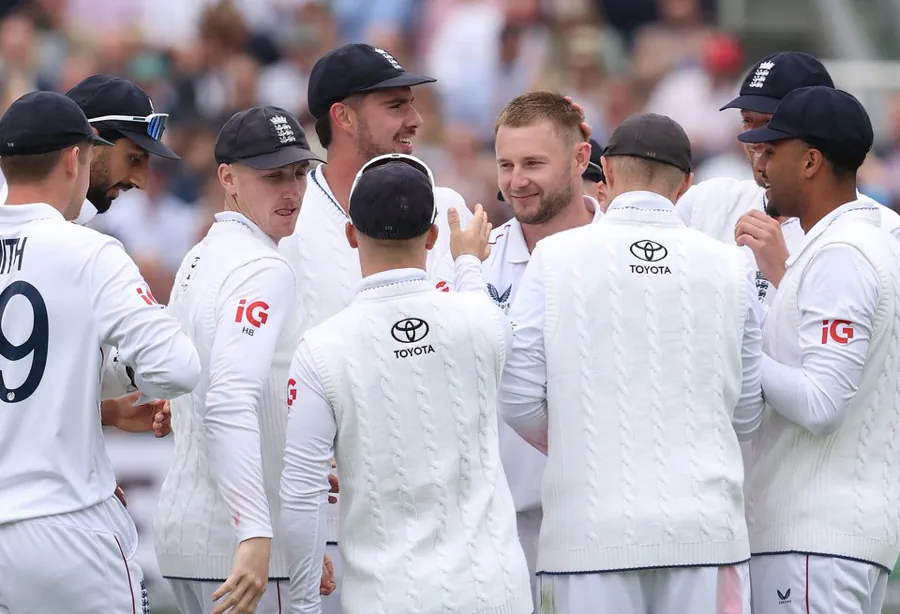
Cricket’s calendar rarely stays still for long. One week it’s a five-day Test with a late finish under fading light, the next it’s a short-format fixture starting at an awkward hour on the other side of the world. Keeping on top of it all can feel like a small project in itself.
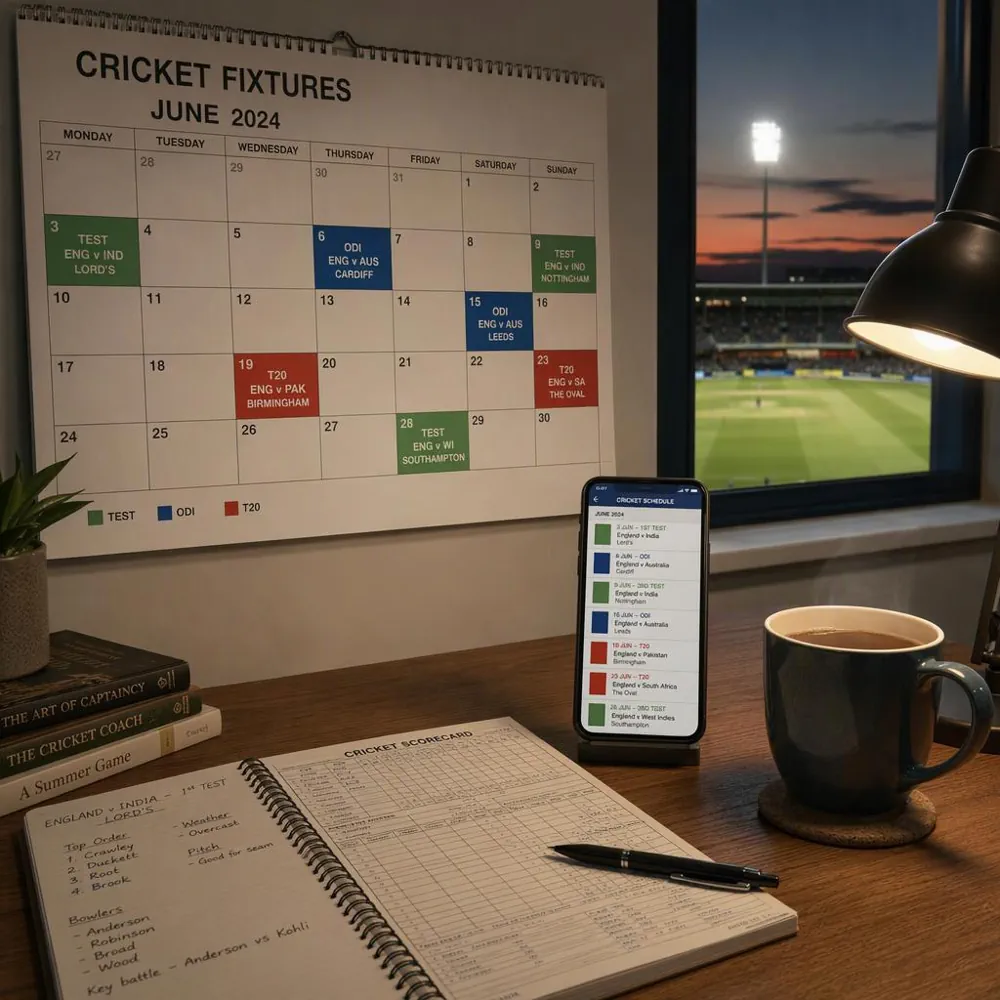
This matchday planner is designed to make that easier. It gives you a sensible way to track international cricket, domestic competitions and T20 tournaments, while leaving room for the inevitable late changes to start times, venues and squad announcements.
Fixture details can move because of weather, broadcast arrangements or competition requirements, so it’s worth checking the ICC fixtures and results page and BBC Sport’s cricket scores and fixtures before you set off or settle in.
Quick-view cricket calendar
Here’s the broad shape of the cricket calendar from October onwards. Think of it as your at-a-glance starting point, rather than a substitute for the official match centre.
| Period | What to look out for | Typical format | Useful planning note |
|---|---|---|---|
| October | International white-ball tours, domestic season finales in some countries | ODI, T20 | Evening matches can start late for UK viewers |
| November | Bilateral series gather pace, southern hemisphere domestic cricket continues | Test, ODI, T20 | Check whether day-night Tests are scheduled |
| December | Major Test series, festive T20 programmes and limited-overs tours | Test, T20 | Holiday fixtures often mean altered travel and broadcast schedules |
| January | New-year Tests, franchise T20 cricket and international tours | Test, T20 | Keep an eye on time-zone changes after New Year |
| February to March | Global tournaments and packed international schedules | T20, ODI | Group-stage schedules are useful for planning several weeks ahead |
| April to September | English domestic cricket and the home international summer | County Championship, one-day cricket, T20, Tests | Ground opening times and weather become part of the routine |
For fans following the men’s international game, the ICC’s schedule hub is the most reliable central reference. It lists fixtures across formats and makes it easier to filter by team, competition and date.
The key thing is not to try to watch everything. Most of us enjoy cricket more when we pick a few fixtures that genuinely suit our routine, whether that’s a Saturday afternoon at the ground or an early-morning overseas Test session with a cuppa.
Your monthly fixture planner
A proper cricket planner needs more than a list of dates. Start time, venue, format and the wider context all matter. A Test match might occupy five calendar days, for example, but the first session could be the only realistic viewing window if you’re working.
October: white-ball tours and changing conditions
October often brings a mix of international limited-overs cricket and domestic matches in warmer cricketing nations. Conditions can vary enormously. A surface that assists spin in the afternoon may feel quite different under lights, while evening dew can affect how a side approaches the second innings.
When adding October fixtures to your calendar, include:
- Local start time and UK conversion
- Venue city, not just the country
- Whether the match is day, day-night or evening-only
- Competition stage, particularly if it’s a knockout fixture
- Official ticket or broadcast source
A useful habit is to create two alerts: one 24 hours before the match, and another 30 minutes before the toss. Squads can change, and a revised start time can catch even committed followers out.
November: series stories start taking shape
By November, a multi-match series usually has a clearer narrative. That doesn’t mean you need predictions, but it does make each fixture easier to place in context. Is it the opening match? A decider? The final game before a Test series begins?
| Fixture detail | Why it matters |
|---|---|
| Series number | A third ODI means something different from a standalone match |
| Venue | Grounds have their own pace, bounce and weather patterns |
| Start time | Especially important for overseas day-night fixtures |
| Format | Test, ODI and T20 require very different viewing commitments |
| Reserve day | Relevant for major limited-overs events and some finals |
For scorecards, live updates and confirmed team information, use established outlets such as ESPNcricinfo alongside the relevant governing body’s official channels.
December: make room for the long format
December has a particular place in the cricket calendar. Test series often become the centrepiece, and there’s something rather nice about putting aside time for a full session rather than trying to keep up with every ball.
If you’re following a Test series, break each match into manageable blocks:
- Opening session: useful if you want to see the new ball and early tactics.
- Middle session: often a practical viewing slot for UK fans, depending on location.
- Final session: can be decisive, especially in day-night cricket.
- Morning recap: a sensible fallback when the match takes place overnight.
Don’t forget that a five-day fixture may finish early, run into a fifth day, or be reshaped by rain. Keep your plans flexible.
January: fresh schedules, familiar complications
January can be packed with domestic T20 leagues and international tours. It’s tempting to fill every spare evening, but fixture fatigue is real. Pick a tournament, a team or a series that you genuinely want to follow, then let the rest sit in the background.
The ICC rankings pages are handy if you’d like a little context around international sides without turning your planning into a statistics exercise.
February and March: major-event mode
The early part of the year can bring global cricket into sharper focus. The 2026 ICC Men’s T20 World Cup, for instance, took place in India and Sri Lanka from 7 February to 8 March. Major tournaments are brilliant for the shared sense of occasion, but they also require a bit more calendar discipline.
For a tournament schedule, mark:
- Your preferred teams’ group matches
- The final group-stage weekend
- Super-stage or knockout dates
- Reserve days where applicable
- The final, even if you’re not yet sure who’ll be there
That way, you won’t discover too late that the match you wanted to watch overlaps with a family lunch, train journey or other commitment.
Follow the route that suits your cricket habit
There isn’t one correct way to follow the fixtures. Some supporters live for Test cricket’s patient build-up. Others prefer the compact shape of a T20 match. Plenty enjoy both, depending on the time of year.
Test series: give each match room to breathe
A Test series rewards a slower approach. Rather than treating every day as a separate fixture, treat the series as one longer story.
Look for:
- Official team fixture pages
- Squad announcements and injury updates
- Venue-specific information
- Start times for each day
- Broadcast listings, which can differ across territories
The England and Wales Cricket Board is the sensible first stop for confirmed England schedules, tickets and domestic competition news.
T20 leagues: shorter matches, busy calendars
T20 leagues move quickly. Several matches may be scheduled in one week, sometimes on the same day. Use the competition’s official site where possible, because that’s where changes to venues and timings are usually reflected first.
A simple colour-code system works well:
- One colour for matches you’ll watch live
- One for fixtures you’ll catch via highlights or scorecards
- One for dates you simply want to keep free
It sounds basic, but it stops a crowded fixture list becoming a blur.
Major events: save the official schedule
World events deserve their own calendar. Save the official tournament schedule rather than relying on social posts or old graphics, which can become outdated quickly.
For international events, the ICC website remains the best starting point for verified schedules, standings and match centres. For domestic cricket in England and Wales, keep an eye on competition pages through the ECB and your chosen county club.
Matchday preparation that makes life easier
A little preparation goes a long way, particularly if you’re going to the ground.
Before travelling to a venue
Check the ground’s own visitor information on the morning of the match. It should cover entry times, bag rules, transport advice, accessibility arrangements and what can be taken into the ground. These details vary more than people expect.
Also think about the basics:
- Allow extra time for queues and security checks.
- Take layers, even in summer. British weather has a mind of its own.
- Check whether the match has a reserve day or weather-related ticket policy.
- Download your ticket or keep it accessible before you leave home.
- Confirm the scheduled start time on the day.
Watching from home
For overseas fixtures, the UK start time is often the detail that matters most. Add it to your calendar in your own time zone, not the host venue’s. That sounds obvious, but it’s easy to get caught out when daylight-saving changes come into play.
If you can’t watch live, avoid spoilers by turning off score notifications until you’re ready for highlights or a replay. It’s not foolproof, but it helps.
Keep your matchday plans focused on the cricket, the venue information and your viewing schedule.
Cricket is best enjoyed for the contest, the skill and the company, not as a reason to take risks. If gambling stops feeling recreational, takes up more time or money than intended, or causes worry, support is available from organisations including GamCare and the National Gambling Helpline.
Between-overs entertainment (UK adults 18+): for those who choose online gaming separately from cricket, explore Virgin Games’ slots responsibly.
Keep the calendar useful, not overwhelming
The best matchday planner is the one you’ll actually use. Start with the fixtures that matter most to you, add official links for quick checking, and leave enough breathing space for changes.
Whether you’re setting aside time for a Test morning, meeting friends for a T20 evening or keeping one eye on a tournament halfway across the world, a clear calendar lets you enjoy the cricket without constantly wondering what’s on next.