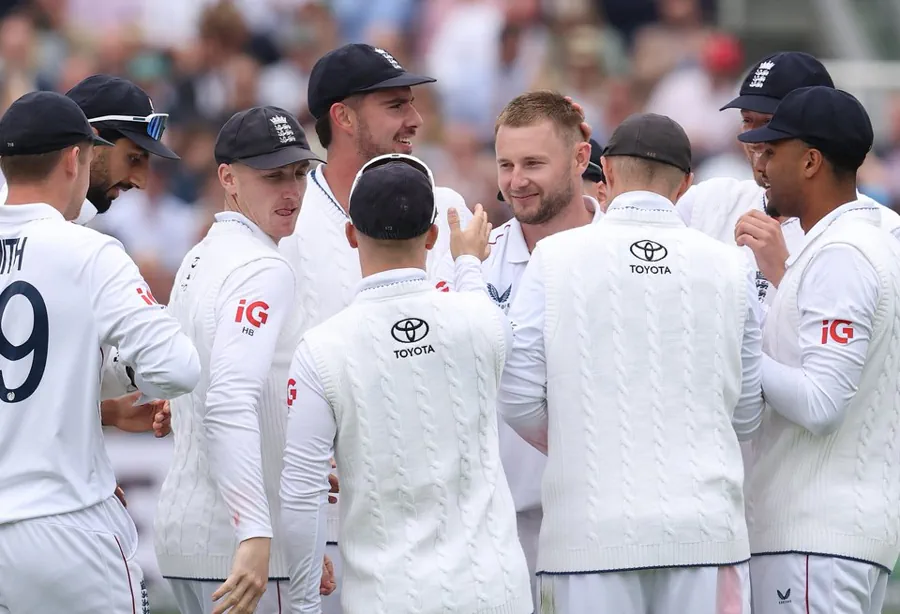
International cricket rarely gives players much time to settle. A team can finish one series, travel to another country and be back on the field within days. Add franchise competitions and domestic commitments, and the calendar becomes crowded very quickly.

That matters when assessing a series. The strongest available XI on paper isn’t necessarily the side that will play every match. Workload, travel and injuries can all influence selection as a tour develops.
A Busy Calendar Changes Selection
Cricketers don’t all carry the same workload. A fast bowler delivering long spells has different physical demands from a specialist batter, while players involved across several formats can spend months moving between squads.
Rotation gives selectors a way to manage that. Someone following cricket odds and match betting might see a team priced as a strong series favorite before the opening match. That assessment can look different if several first-choice players are rested later in the series.
Fast Bowlers Need Particular Attention
Bowling workloads can build quickly during a packed schedule. A fast bowler may complete a demanding Test match and then face another game after only a short recovery period. Even in limited-overs cricket, repeated travel, training and match workloads add up.
Captains also have to think beyond today’s game. Asking a key bowler to carry a heavy workload when another important fixture is coming soon can create unnecessary problems. That may open the door for a squad player who hasn’t featured much earlier in the tour.
Rotation Isn’t Automatically a Weakness
Seeing a star player rested can make a lineup look weaker, but replacements aren’t always a major downgrade. Strong cricket nations often travel with deep squads. A reserve batter may be particularly suited to certain conditions, while an extra spinner could become useful on a surface offering plenty of turn.
Fresh players bring another advantage. Someone who has spent several days outside the XI may arrive physically fresher than a teammate who has played every match. The effect of rotation therefore depends on who’s coming in and what the game requires.
Travel Can Complicate the Picture
Tournament schedules aren’t only about matches. Players also spend considerable time flying, changing hotels and adjusting to unfamiliar conditions. A short turnaround becomes harder when a team has crossed time zones or traveled immediately after a late finish.
Practice can suffer too. Coaches may choose recovery over another training session, leaving limited time to prepare for a new ground or opponent. Those details don’t appear on a scorecard, but they can influence how ready a team looks once play begins.
One Change Can Affect Several Roles
Cricket selections are interconnected. Resting an all-rounder might require the team to bring in both another batter and reconsider its bowling options. Leaving out a wicketkeeper who bats near the top can alter the order further down.
This is why team news matters beyond the missing player’s individual ability. One absence can change the balance of the entire XI. Series analysis needs to account for those knock-on effects rather than simply counting how many regular starters are missing.
Final Thoughts
Dense cricket calendars make squad management part of the contest. Selectors have to balance winning the current match with keeping important players available for what comes next. That can produce different lineups across the same series, sometimes changing the balance between the teams along the way.
For anyone assessing a series, reputation alone isn’t enough. Check who’s actually available, consider recent workloads and look at how replacements fit the conditions. The team starting the final match may have the same name as the one that began the series, but its composition can be quite different.